Connection Between Oral Health and Overall Wellness: Insights from a Family Dentist

March 16, 2026

Your mouth plays a much larger role in your health than many people realize, which is why visiting a trusted family dentist should be viewed as an essential part of protecting your overall wellness rather than just maintaining a bright smile. The condition of your teeth and gums can influence your heart, blood sugar levels, immune response, and inflammation throughout the body in ways that may not be obvious at first. Contact us today at 708-535-0333 to schedule your visit with Arel C. Ondoy, DMD, and take a proactive step toward better health in Palos Heights, IL.


Bacteria naturally live in the mouth, but when oral hygiene habits fall short, harmful bacteria can multiply and lead to infection in the gums. Once inflammation develops, these bacteria may enter the bloodstream and contribute to health concerns beyond the mouth. A family dentist in Palos Heights, IL, focuses on prevention and early treatment to reduce these risks and support whole-body wellness.


Gum Disease and Heart Health

Research continues to show a connection between gum disease and cardiovascular concerns, highlighting the importance of routine dental care as part of a heart-healthy lifestyle. Inflamed gums can allow bacteria to travel into the bloodstream, where they may attach to blood vessel walls and contribute to plaque buildup.


A whole-family dentist carefully monitors the health of your gums during routine exams because symptoms such as bleeding, swelling, or persistent tenderness can signal deeper inflammation that may affect other systems in the body. By identifying and treating gum disease early, patients may reduce the strain placed on their cardiovascular system over time.


Maintaining consistent brushing, flossing, and professional cleanings helps lower bacterial levels and supports healthier circulation. These simple habits, combined with regular dental visits, create a strong defense against preventable complications.


Diabetes and the Two-Way Oral Health Connection

Diabetes and oral health share a close relationship, as high blood sugar levels can increase the risk of gum infection, while untreated gum disease may make it more difficult to control blood glucose. This two-way connection makes routine dental care especially important for individuals managing chronic conditions.


A whole-family dentist understands how to tailor preventive care plans for patients with diabetes, focusing on gentle cleanings, close monitoring of gum health, and patient education that supports daily oral hygiene routines. When gum inflammation is reduced, it can contribute to better blood sugar stability and overall health outcomes.


Taking a proactive approach with both medical and dental care allows patients to manage their condition more effectively and protect their long-term wellness.

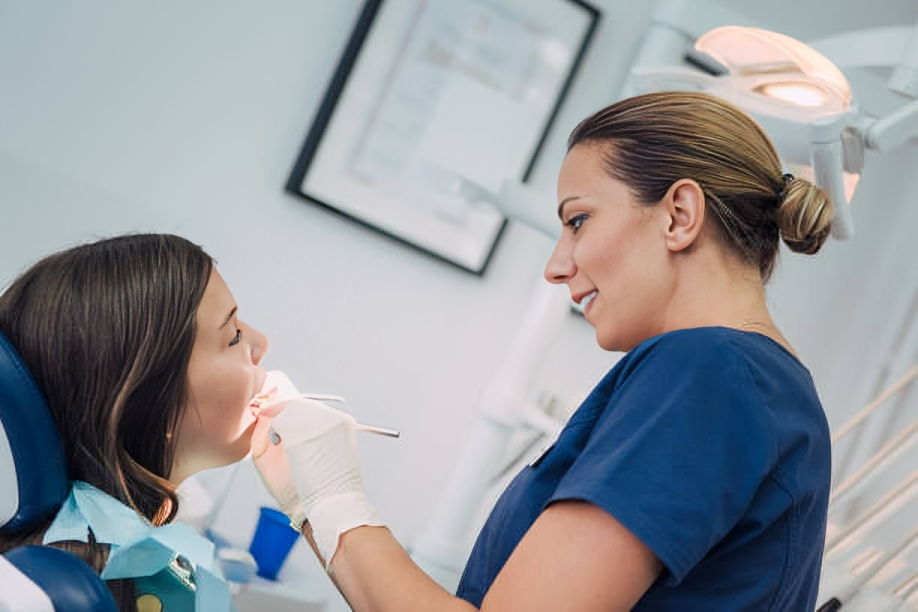
Dentist showing a patient their teeth using a handheld mirror during an exam.

Inflammation and Its Impact on the Body

Inflammation is the body’s natural response to infection, yet when it becomes chronic, it can contribute to a range of health concerns that extend beyond the mouth. Gum disease represents a persistent source of inflammation that may affect joints, respiratory health, and other systems.


Arel C Ondoy, DMD, emphasizes preventive care because reducing inflammation in the mouth may help lower overall inflammatory stress on the body. Regular evaluations by a family dentist can detect early signs of infection and address them before they develop into more serious conditions. By keeping the gums healthy and infection-free, patients may support stronger immune function and improved overall well-being.


Preventive Dental Care as a Foundation for Wellness

Preventive care remains one of the most effective ways to protect both oral and systemic health, since early detection allows small concerns to be treated before they become larger and more complex issues. Routine exams and professional cleanings remove plaque and tartar buildup that daily brushing may miss.


According to guidance from the National Institute on Aging, maintaining proper brushing and flossing habits plays a vital role in keeping teeth and gums healthy. Learn more about recommended daily oral care practices.


Combining consistent home care with professional visits to a family dentist creates a comprehensive approach that supports lasting wellness.


For a closer look at our available preventive and restorative options, check our general dental service page to explore how comprehensive care can help protect your smile and overall health.


Oral Health Support for Every Age

A whole-family dentist provides care for children, adults, and seniors, recognizing that each stage of life brings unique dental needs that influence total health. Early visits help children develop positive habits and reduce anxiety about dental care.


Adults benefit from consistent monitoring of gum health and early signs of wear, decay, or infection that may affect long-term wellness. Seniors may require additional support due to dry mouth, medication effects, or changes in oral tissue that increase risk. By providing services in the Palos Heights, IL area, Arel C. Ondoy, DMD, helps families stay proactive about their health through every stage of life.


Why Choosing the Right Family Dentist Matters

Selecting a whole-family dentist is about more than convenience, since the right provider takes time to understand your health history, lifestyle habits, and long-term goals. A thoughtful and personalized approach ensures that each patient receives care designed to support both dental and overall well-being.


A family dentist in Palos Heights, IL, also serves as an educator, helping patients understand how nutrition, oral hygiene habits, and regular checkups influence their broader health. When patients feel informed and supported, they are more likely to stay consistent with preventive care.


Schedule Your Wellness-Focused Dental Visit

Your oral health is closely connected to your overall wellness, and taking small preventive steps today can help protect your heart, manage inflammation, and support balanced blood sugar levels in the future. Arel C. Ondoy, DMD, is committed to helping patients in Palos Heights, IL, achieve healthier smiles while promoting total body health.


Call us at 708-535-0333 now to schedule your appointment with Arel C. Ondoy, DMD, in Palos Heights, IL, or send us a message to request your visit today.
Pediatric Dentist
January 5, 2026
Arel C. Ondoy, DMD provides expert tips for maintaining your child’s dental health with the best pediatric dentist in Palos Heights, IL. Schedule a visit today and ensure your child’s smile stays healthy and bright.
Child Dentist
November 5, 2025
Learn how a family dentist in Palos Heights can help you maintain lifelong oral health. Arel C. Ondoy, DMD offers comprehensive care for your family’s dental needs. Book your appointment today!
How Regular Visits to a Family Dentist Prevent Bigger Issues
August 28, 2025
Find out why visiting a family dentist is essential for your health. Arel C. Ondoy, DMD provides tips for making your trips to the dentist enjoyable and stress-free for everyone.
Dentist Right Away
By admin July 10, 2025
Discover the signs you need to see a dentist in Palos Heights, IL. Arel C. Ondoy, DMD general dentist shares important tips to keep your smile healthy. Schedule a consultation today!
January 15, 2020
Kick off the new year by tackling bad breath. Visit Arel C. Ondoy, DMD for effective treatments to improve your oral health and boost your self-confidence with fresh breath!
December 20, 2019
Protect your mouth this winter! Limit sugary foods, eat healthy, and wear an athletic guard to prevent cavities. Visit Arel C. Ondoy, DMD for expert advice on winter dental care.
November 12, 2019
Celebrate healthy teeth with a balanced diet! Learn how eating healthy foods and drinks can benefit your teeth and gums. Visit Arel C. Ondoy, DMD to improve your oral health today.
October 18, 2019
Happy October, everyone! It’s one of the spookiest seasons of the year, and one of the scariest things we can think of is having problems with our teeth and gums. Since October is National Dental Hygiene Month, we want to promote a healthy mouth for everyone by acknowledging the importance of your daily hygiene efforts. Healthy teeth and gums are the foundation of a healthy, beautiful smile! Plaque The mouth is full of living bacteria, some of which feed and thrive on carbohydrates and sugary drinks. These can release acids mixed with saliva and food particles to create a sticky bacterial film (plaque). As plaque builds up, it attacks and weakens tooth enamel, working its way through the softer dentin and tooth pulp below it to create decay and cavities. Teeth with extensive decay often require a root canal treatment to save the tooth from the severe infection that has taken root. A root canal removes the bad bacteria and dead tissue that might otherwise require extracting the tooth. Signs You Might Need a Root Canal – Tooth pain or pain when chewing – Sensitivity to hot and cold food and drinks – Sensitive gums – Gum infection – Darkened or chipped teeth – Swollen lymph nodes – Oral trauma What You Can Do Did you know that the first known bristle toothbrush was invented in China in 1948? Unlike the smooth nylon-bristled brushes we use today, the original toothbrush used boar hairs attached to bamboo or bone handles. We don’t know about you, but we’re grateful for today’s toothbrushes! To prevent damaged teeth, you’ll want to start by protecting your mouth from plaque. For example, drinks like soda, fruit juices, sports drinks, carbonated water and other acidic and sweetened beverages are pretty much a lifeline for oral bacteria that attach your teeth. To lessen plaque, limit these beverages, and when you drink them, use a straw to reduce contact on tooth enamel. Better choices include water, milk, low-sugar vegetable juice, and unsweetened green and black tea. This year’s National Dental Hygiene Awareness Month focuses on four habits you need to practice daily: Brush Brush your teeth twice a day for two minutes each session with a soft-bristled toothbrush (no boars hair!). You want to gently clean them without harming the enamel or soft gum tissues. Make sure the head and shape of the brush fit comfortable in your mouth so you can get to the back areas to remove bacteria and food particles. Hold your brush at a 45-degree angle to your gums. Using short strokes, move your toothbrush back and forth to clean all tooth surfaces – outside, inside and the top of the molars – where the food is chewed. Make sure to clean those grooves and crevices. Use up-and-down-strokes to clean the inside of your front teeth. Tip: Don’t forget to brush your tongue to get rid of plaque and freshen your breath. Floss Clean between your teeth once a day using a flossing tool of choice (one that makes you want to floss every day) to get rid of dental plaque your toothbrush can’t reach. Plaque buildup will cause it to harden into tartar or calculus, which has to be removed by a dental hygienist using special tools. Rinse Some areas of the mouth can’t get rid of plaque by brushing and flossing alone. Rinsing with an antibacterial mouthwash daily destroys bacteria to prevent tooth decay and gum disease (infection of the oral tissue) from gaining hold. Your dentist can recommend a non-alcoholic antimicrobial rinse that is right for your needs. Chew Speaking of dry mouth, did you know that chewing sugarless gum for 20 minutes after you eat lessens the chances of tooth decay? That’s because chewing stimulates saliva glands to promote healthy saliva flow. Your saliva plays a vital role by rinsing away food particles and bacterial debris and neutralizes the acids from oral bacteria. This month is a good time to toss out your old worn-out toothbrush and find a flossing method you will enjoy using every day. You’ll also want to thank your dental hygienist the next time you see them for all their efforts to make your smile the best it can be!
September 6, 2019
September brings the month of National Gum Care, a time to raise awareness for healthy gums everywhere. No matter your age, you should always be striving for great oral care, and this doesn’t just mean your teeth. Your gums are just as important when it comes to maintaining a great smile. As new research develops, we see a rise in medical conditions related to infected gums – such as heart disease, diabetes, pregnancy complications and more – and how preventing gum (periodontal) disease is vital for both your oral and overall health. It is believed that the inflammation caused by bacteria can destroy gum tissue and then invade the bloodstream, eventually affecting other parts of your body. You can help prevent this invasion by taking excellent care of your teeth and gums. Healthy Gums vs. Diseased Gums Do you know what healthy gums look like? Gums should be firm and pink with no bleeding and no discomfort. Signs of bad gums include loose or shifting teeth, chronic bad breath, a bad taste in your mouth, bleeding gums, redness, swelling, pus around teeth and gums, receding gums, and gum tenderness. If you have dentures, they may not fit correctly. If your gums become paler than they usually are, contact your dentist right away. It is important to get treatment at the first sign of gum disease. Preventing Gum Disease You can help take care of your gums by following these guidelines: – Healthy Brushing: Be sure to brush at least twice a day, waiting to brush for at least 30 minutes after your meal (brushing right away can cause corrosion from leftover food). – Flossing Correctly: Floss at least once a day to remove debris between the teeth and near the gums. It is recommended you floss before brushing so your toothbrush can wipe away leftover bacteria and debris. Gently floss between each tooth, using clean sections of floss each time. Avoid snapping the floss down onto the gums. – Seeing Your Dentist: You should receive a dental exam and cleaning every six months if not more often. Notify your dentist if you have concerns about your teeth and gums or you are experiencing pain or discomfort. – Healthy Diet: Consume a regular diet of healthy foods and liquids. More sugar in your diet tends to lead to more lingering and sticky bacteria. Rinse your mouth with water after eating and drinking other beverages. – Avoiding Substances: A great way to help your teeth and gums stay healthy is avoiding tobacco and limiting your alcohol intake. This includes smoking and vaping. Try to avoid drinking too much soda and energy beverages, candies, sugary snacks, and fast food. – Other Tips: Replace your toothbrush every two to three months, depending on the wear. Exercise regularly to increase blood flow and encourage saliva flow. Choose a toothpaste that is best for your dental needs. Treatments for Healthier Gums Even if you haven’t had a cavity in your life, you are still vulnerable to gum disease. If your home dental care isn’t enough, there are alternative treatments to help rid your mouth of infection. These include the following options: – Professional dental cleaning – Scaling and root planing – Pocket reduction – Gum graft – Soft tissue graft – Prescribed medication, toothpaste or mouthwash – Root canal therapy (if needed) These options can help keep you and your smile in optimal health. Your gums are important in keeping your teeth in place. We invite you to consult with our team about what treatment may be best for you. If you have questions or concerns about your gum health, feel free to give our experienced team a call. We will be happy to help you get the gum care you deserve, so reach out today and get your dental health where it deserves to be!
August 16, 2019
Learn how regular dental checkups can positively impact your oral health. Arel C. Ondoy, DMD explains the benefits of routine visits to maintain healthy teeth and gums. Schedule yours today!