 Address:

How Do Dental Checkups Impact Your Oral Health?
August 16, 2019
We learn at a young age that brushing and flossing are vital to keeping your smile healthy. We need to continue these daily habits in our ongoing quest to maintain healthy smiles for strong teeth and gums. Seeing your dentist regularly for professional cleanings and checkups at least twice a year is another habit you should incorporate. Together with our dental team, you are creating an optimal oral environment for a lifetime of smiles in great condition.
Professional dental cleanings are typically recommended twice a year, but if you are in treatment for dental illnesses or are at high risk for disease – such as gum disease – you may need to come in more frequently. Of course, dental cleanings are just one aspect of these visits. Our dentist will also conduct an oral exam, which may include taking dental X-rays to assess the condition of your teeth, jaw and gums.
We will be looking for signs of tooth decay, gum disease and oral cancer. If this is your first visit, we will want to know about your health history, what medications you take, current allergies or adverse reactions you have had to medications in the past. And if you have dental anxiety that kept you from seeing your dentist before, please let us know so we can discuss ways to minimize your discomfort and help you feel more relaxed and comfortable during your time with us. We are happy to work with you to make your experience safe, relaxing and convenient for you.
Professional Dental Cleanings
Regular professional dental cleanings remove calcified plaque, known as tartar, that accumulates in the hard-to-clean areas of the mouth. These are not easily accessible by your daily brushing and flossing efforts. To do this, our dentist or hygienist may use a special dental instrument – either a hand scaler or ultrasonic dental instrument – to remove tartar from around and below the gum line. Once this calcified plaque has been removed, your teeth will be polished with a mildly abrasive paste to clear away leftover plaque and tooth stains. After a final floss and evaluation from our experienced team, we will send you on your way.
If you run your tongue along your tooth surfaces, you should be able to feel the clean, smooth surface of the enamel. When the surface is smooth, it is harder for plaque to attach. We will also be happy to review whatever hygiene issues you may be experiencing as well as go over brushing and flossing techniques to help you better care for your teeth at home. We will be happy to answer any questions or concerns you may have concerning your oral care.
If you would like to know more about how dental checkups can help your oral health, feel free to give us a call or schedule to come into our office for your next exam! Our goal is to help you attain your best smile and have a great dental experience, so call us today to set up an appointment.
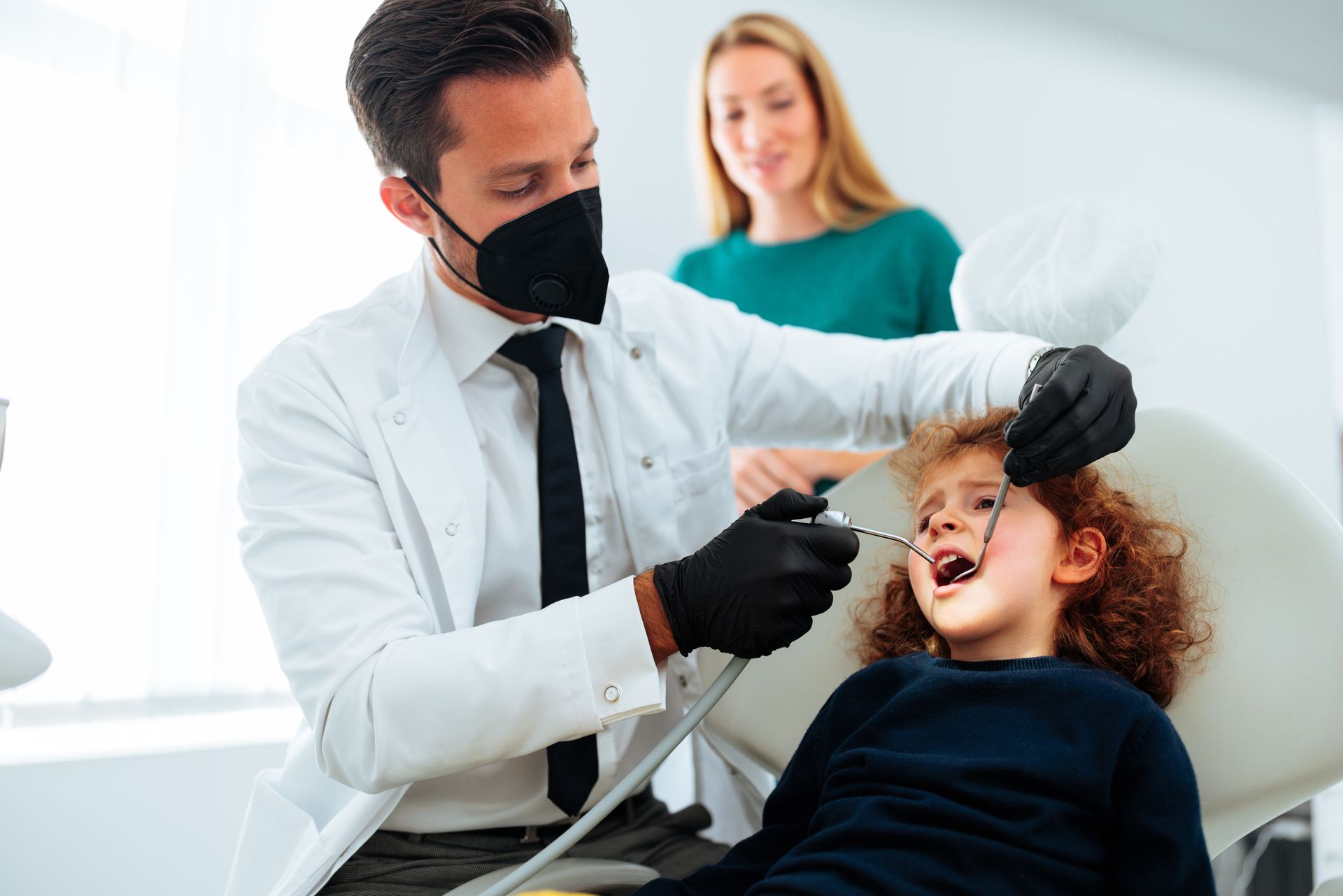
Are you wondering which dental provider is right for your family? Learn the differences between a family and general dentist in Palos Heights, IL. Call now!
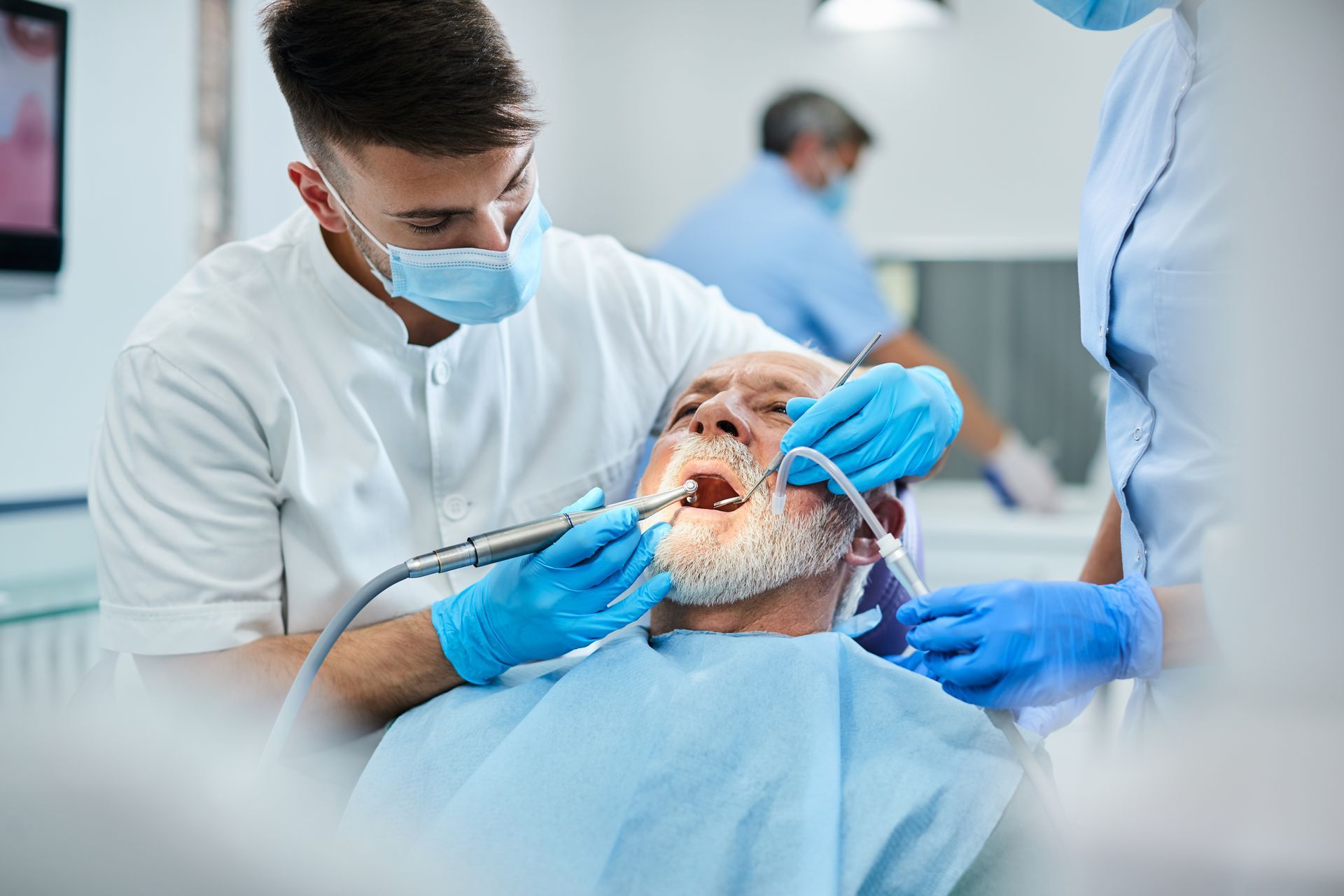
Find out what to expect at a dentist checkup in Palos Heights, IL, with Arel C. Ondoy, DMD. Click here to keep reading!
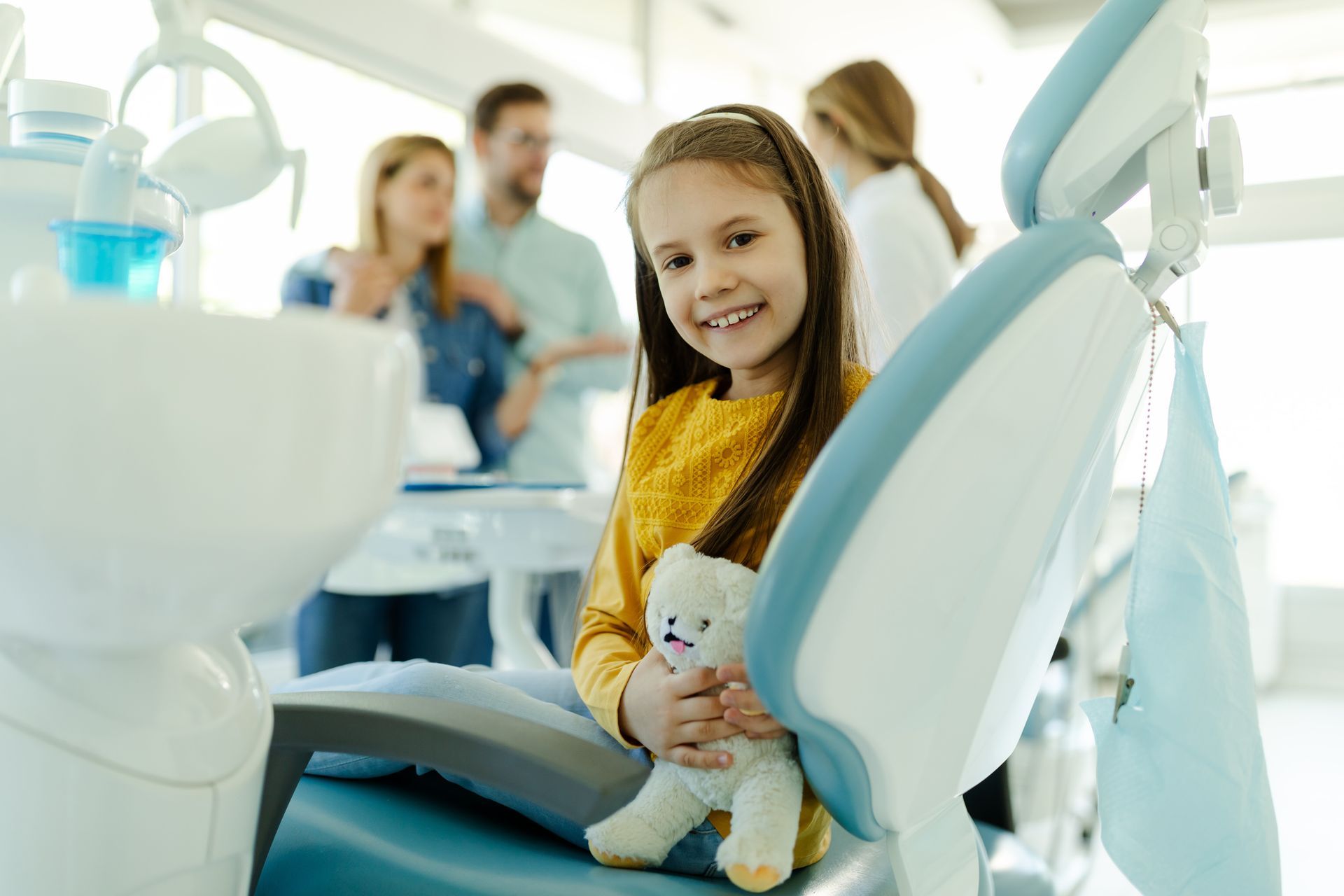
Manage dental anxiety with a trusted family dentist in Palos Heights, IL. Call Arel C. Ondoy, DMD, at 708-535-0333 today for gentle care.
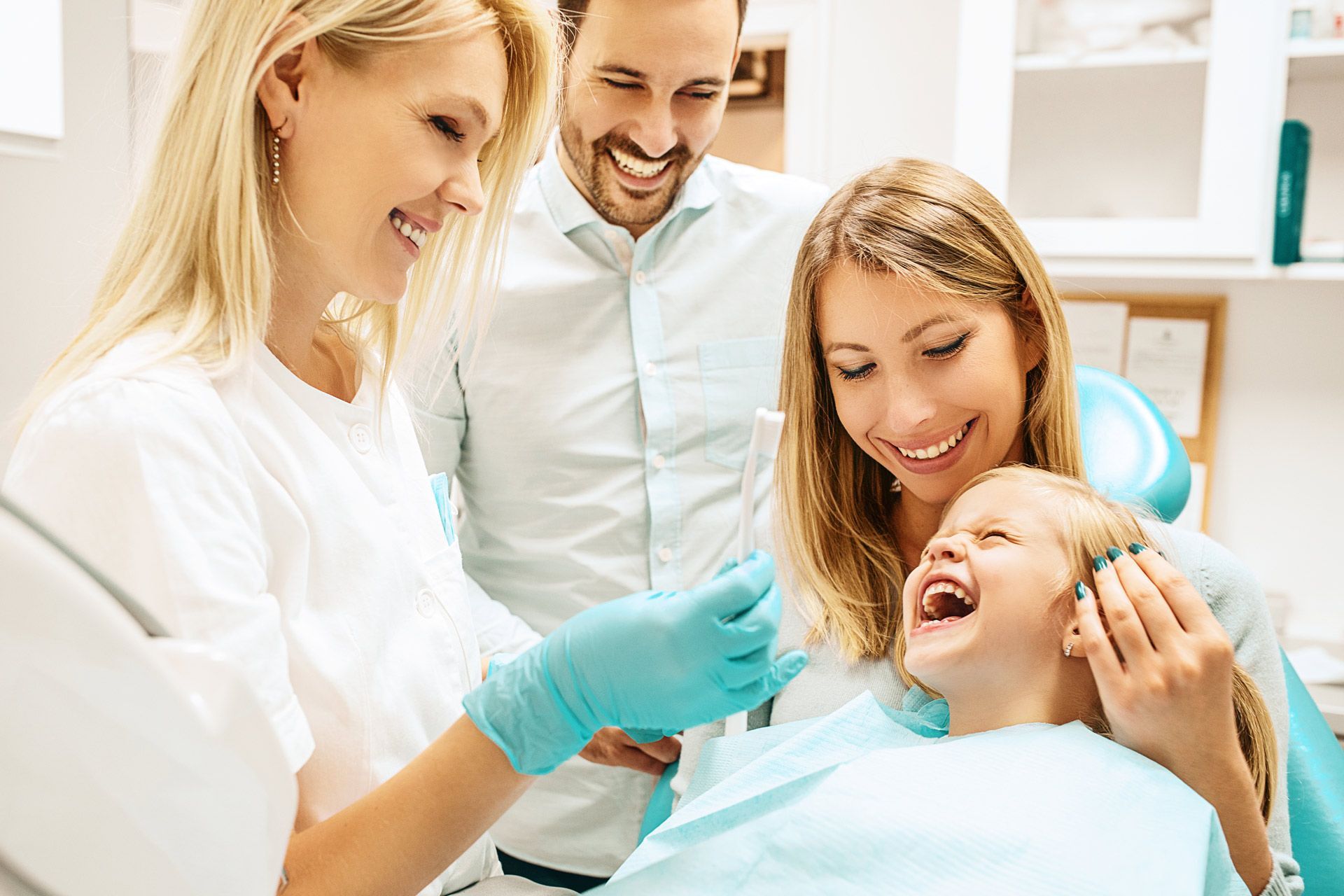
Trusted family dentist in Palos Heights, IL. Arel C Ondoy DMD supports total wellness. Call 708-535-0333 today.
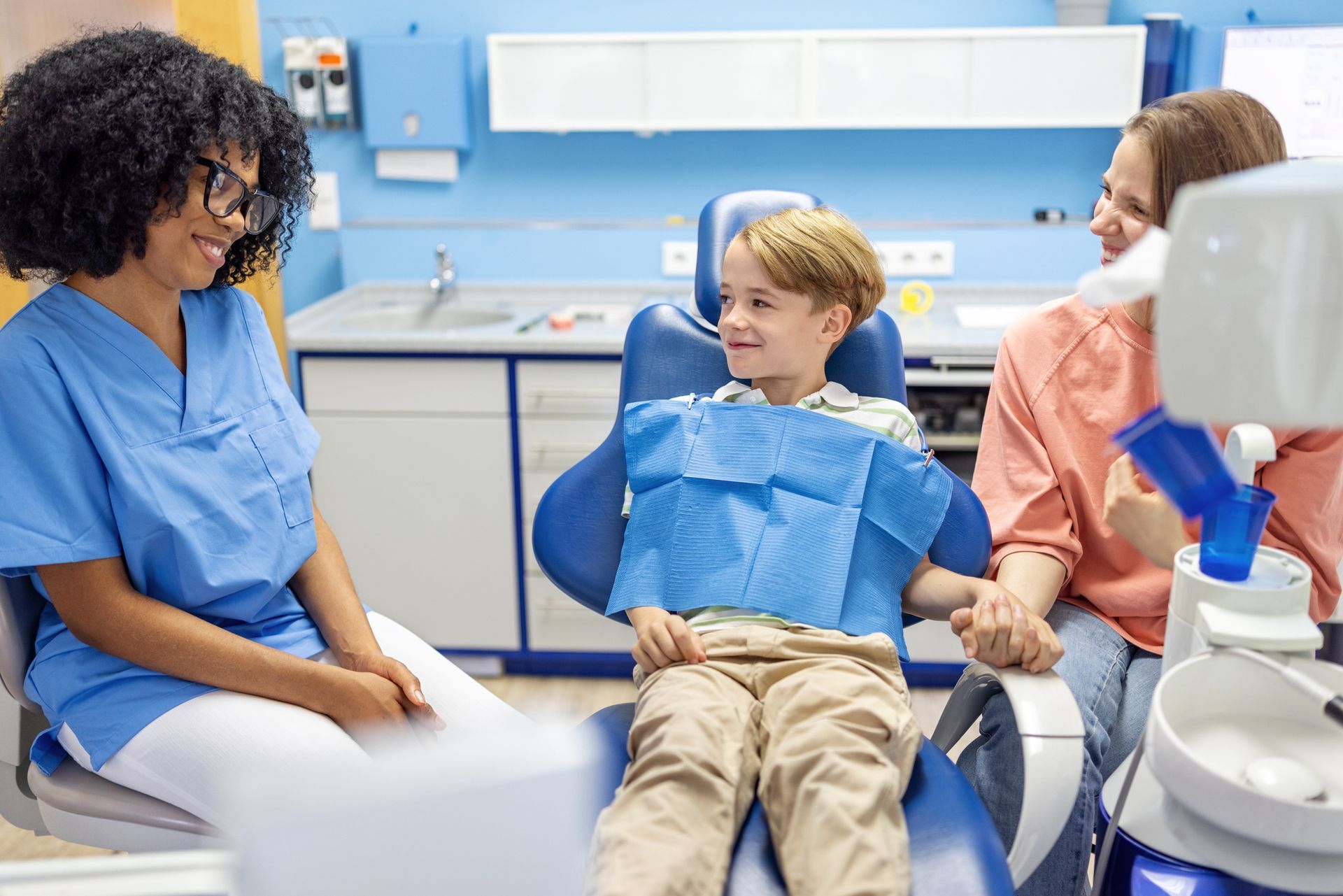
Arel C. Ondoy, DMD provides expert tips for maintaining your child’s dental health with the best pediatric dentist in Palos Heights, IL. Schedule a visit today and ensure your child’s smile stays healthy and bright.
Learn how a family dentist in Palos Heights can help you maintain lifelong oral health. Arel C. Ondoy, DMD offers comprehensive care for your family’s dental needs. Book your appointment today!
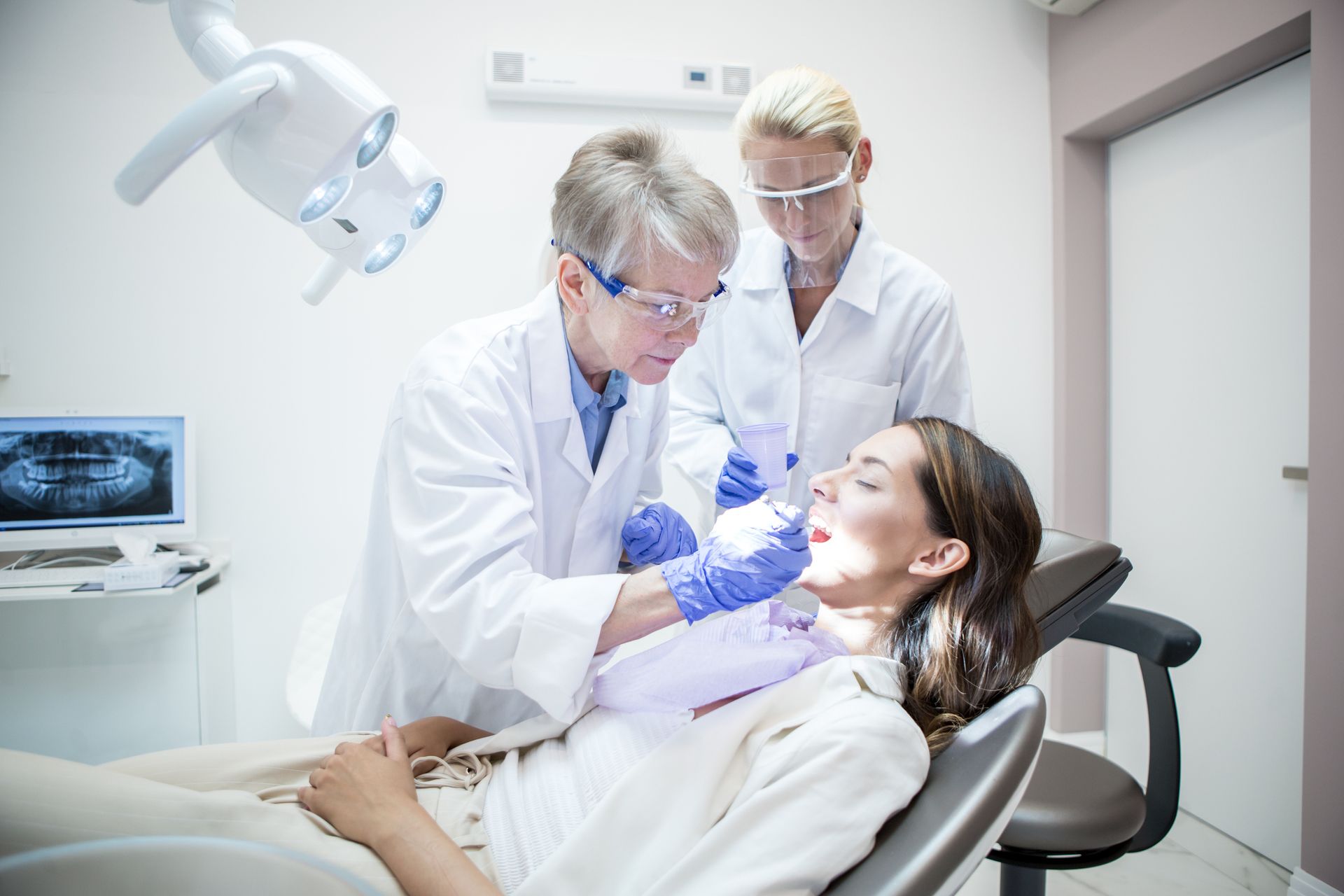
Find out why visiting a family dentist is essential for your health. Arel C. Ondoy, DMD provides tips for making your trips to the dentist enjoyable and stress-free for everyone.
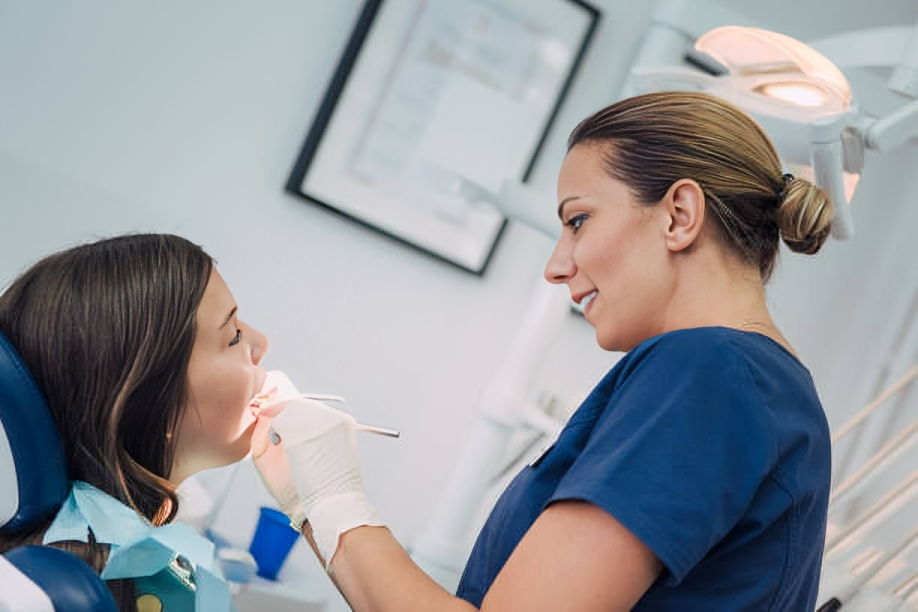
Discover the signs you need to see a dentist in Palos Heights, IL. Arel C. Ondoy, DMD general dentist shares important tips to keep your smile healthy. Schedule a consultation today!
Kick off the new year by tackling bad breath. Visit Arel C. Ondoy, DMD for effective treatments to improve your oral health and boost your self-confidence with fresh breath!
Protect your mouth this winter! Limit sugary foods, eat healthy, and wear an athletic guard to prevent cavities. Visit Arel C. Ondoy, DMD for expert advice on winter dental care.