 Address:

Dental Implant Placement Basics as a Step-by-Step Process
September 12, 2018
If you have ever lost a tooth, you might have more than just a gap between your teeth. If a lost tooth is not replaced, the bone in the jaw that supported the lost tooth starts to deteriorate. That’s because when you chew your food, there’s no more stimulation to the bone from the missing tooth’s chewing action. Over time, the gaps in your mouth change as the surrounding teeth shift into the empty space, causing your bite alignment to shift with it. When this happens, missing teeth can not only affect how you look but can cause problems when you chew and even when you speak.
What can you do to prevent this from happening to your smile? You want something to take that missing tooth’s place, and one of the best options available today is a dental implant. Acting like a tooth, implants stimulate your jawbone from the pressure they exert when you chew by acting as the base of a regular tooth. Because of this, they keep the jaw healthy and strong and your bite alignment intact. You can have a single implant done or multiple implants to replace as many teeth as you need.
The implant itself is a titanium post used to act like a tooth root. Once it is surgically placed into the jawbone under the gumline, it can hold a tooth replacement (or a dental bridge). Once the implant fuses to your jawbone it is sturdy and durable. It won’t shift in the mouth, so you can speak and chew without worry. A dental implant can be used to secure dentures, bridges, and crowns to replace your teeth to help them feel natural in the mouth.
To have an implant done for your missing teeth requires healthy gums and enough jawbone material to support the implant. You’re also going to need to keep up excellent daily oral hygiene, including routine dental visits to support the ongoing function of the implant. If you are considering dental implant placement, we are pleased to offer some insight into what you can expect from the procedure.
Many patients are concerned that the process will be painful, and while any surgical procedure has some degree of discomfort as the mouth heals, our team can provide a local anesthesia or another form of sedation to ensure you are comfortable during the implant placement process.
When it’s time to place your dental implant after you’ve been given the appropriate anesthesia, our team of professionals typically perform the following basic steps:
– Create an access point in the gum line to reach the underlying jawbone area.
– Create some space in the jawbone to create an anchor point for the dental implant to support a new tooth.
– Attach the titanium screw to the jawbone, which forms the base of the dental implant.
– Allow the jawbone time to grow around the metal base and fuse naturally with the implant, which can take a few months.
– Attach an abutment to the titanium screw after the bone has completed its regrowth process, which serves to keep the final dental crown or other tooth restoration in place.
– Allow your gums to heal and improve their health for a few weeks prior to placing the dental restoration.
– Create a detailed impression of your smile to serve as a guide for the creation of the restoration.
– Place it on the implant so that it looks natural and matches well with your surrounding teeth.
Depending on the number of teeth that need to be replaced, the overall process can take a few weeks or months to achieve final completion. To learn more about dental implants and how they can replace missing teeth, contact our team today for more information!
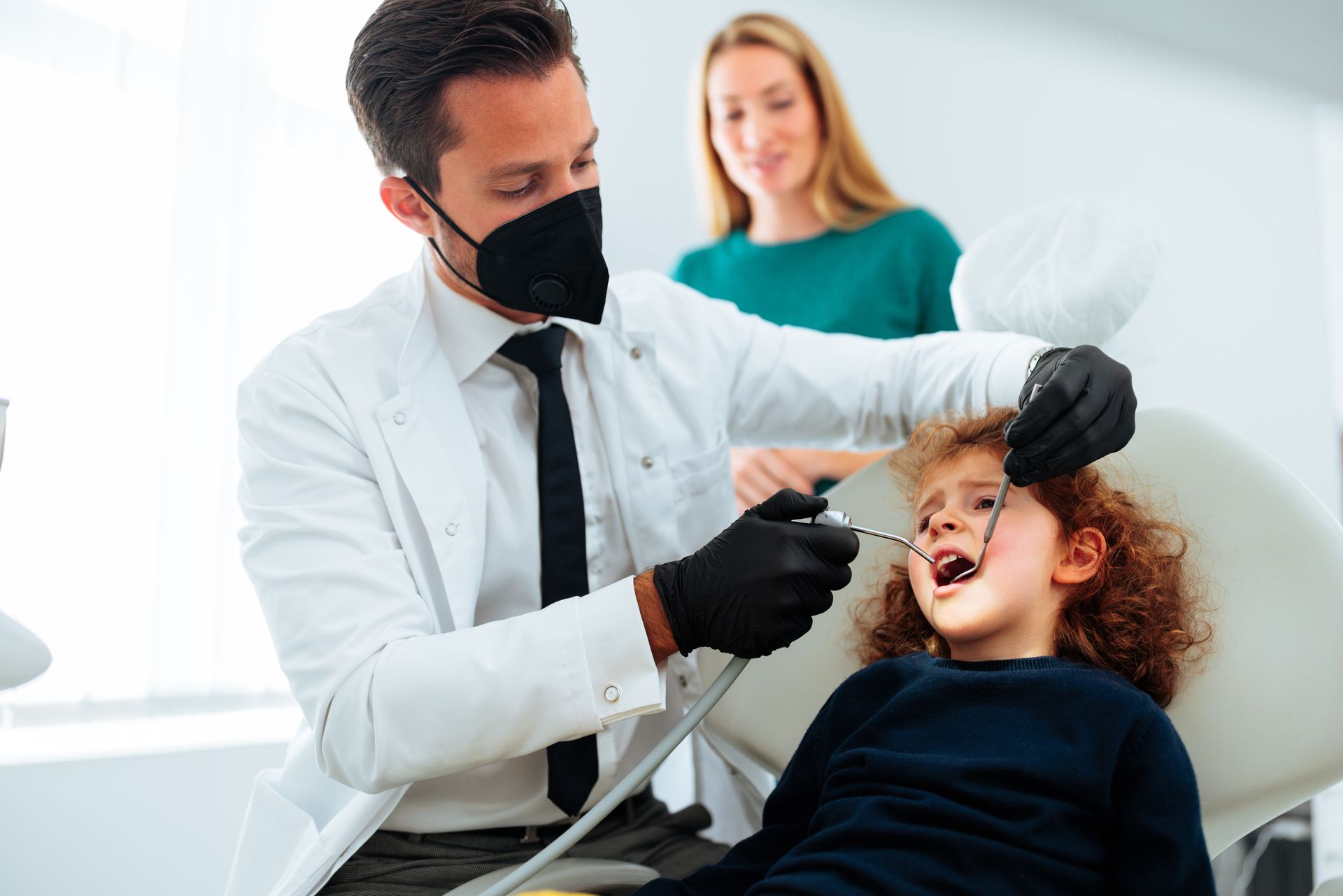
Are you wondering which dental provider is right for your family? Learn the differences between a family and general dentist in Palos Heights, IL. Call now!
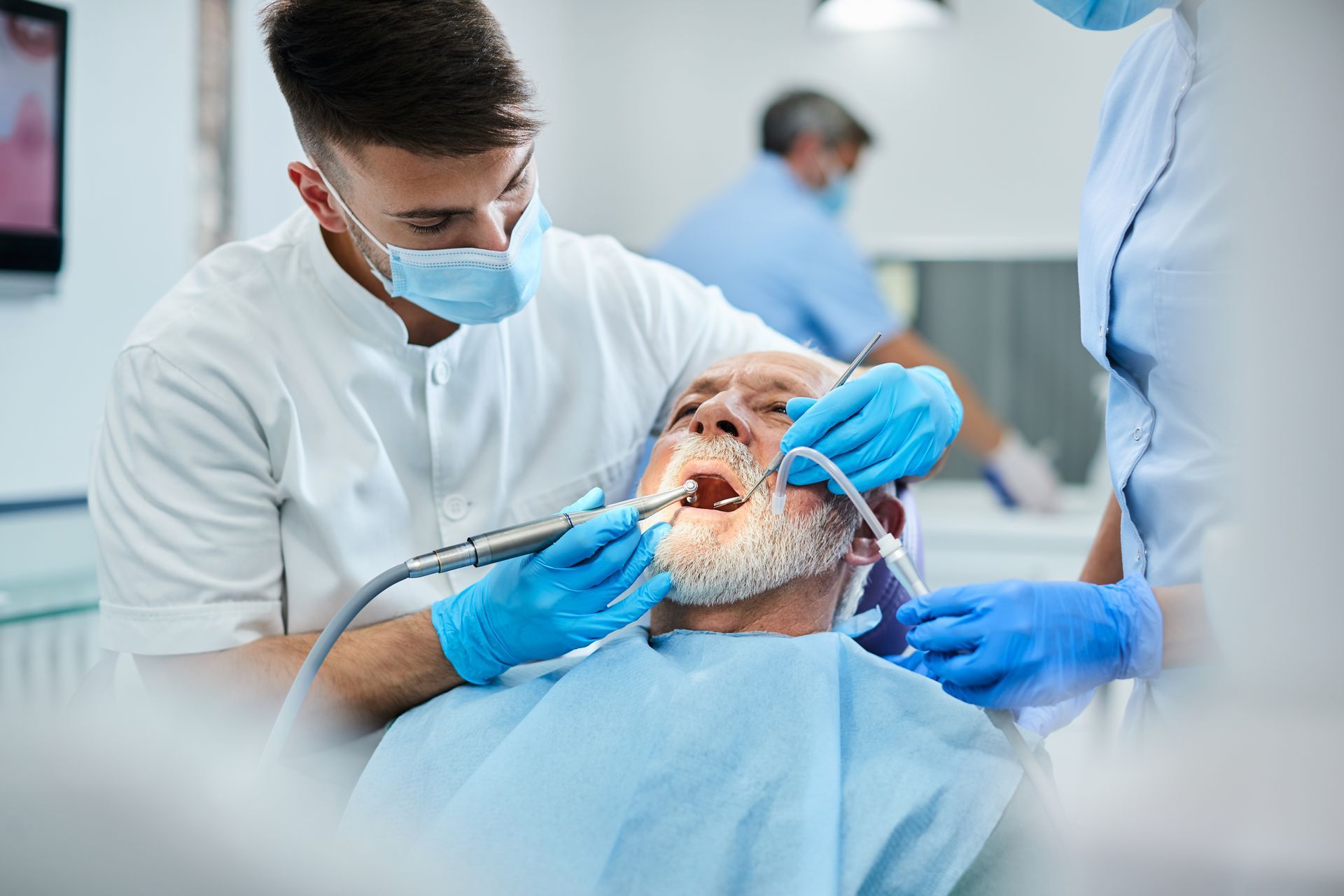
Find out what to expect at a dentist checkup in Palos Heights, IL, with Arel C. Ondoy, DMD. Click here to keep reading!
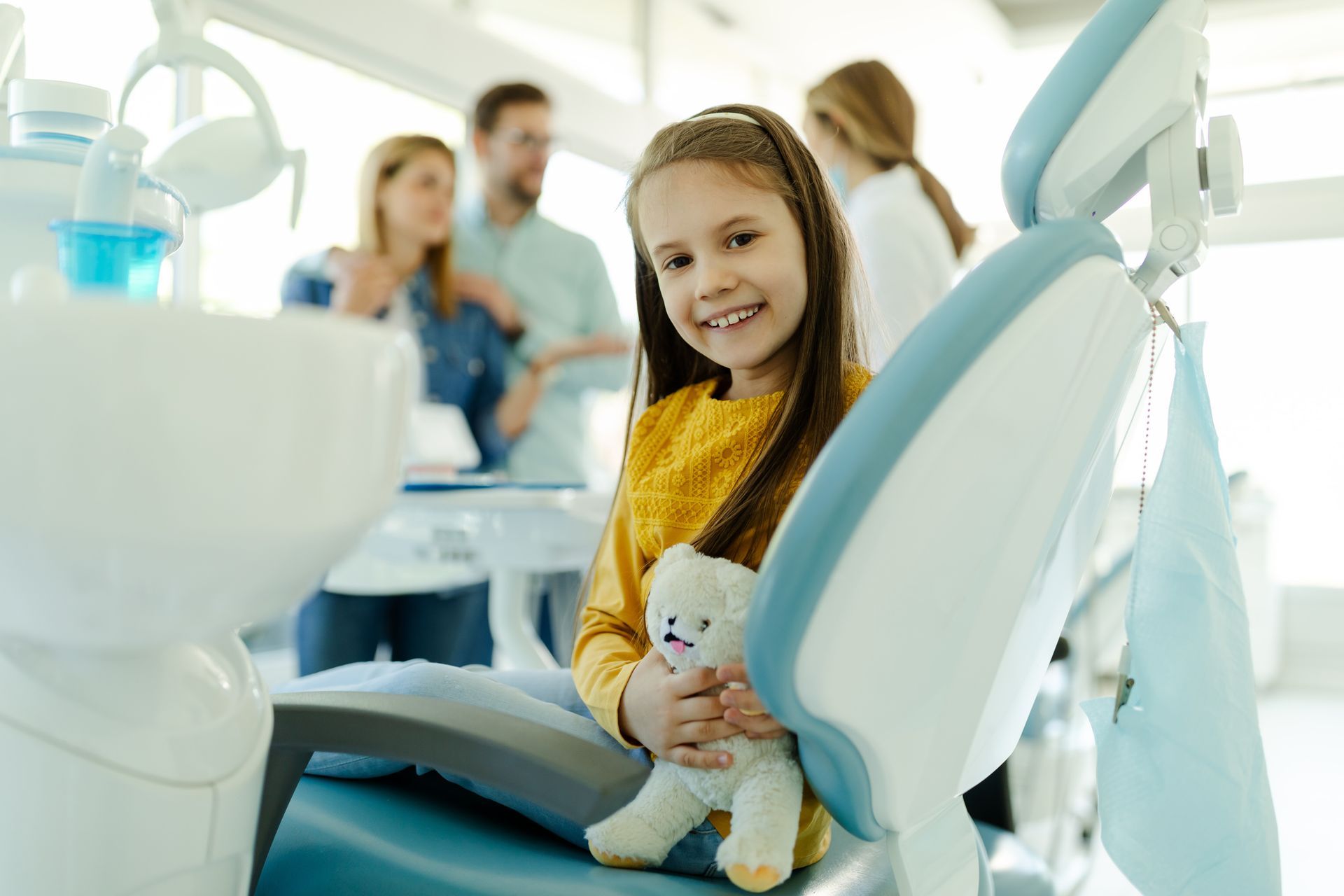
Manage dental anxiety with a trusted family dentist in Palos Heights, IL. Call Arel C. Ondoy, DMD, at 708-535-0333 today for gentle care.

Trusted family dentist in Palos Heights, IL. Arel C Ondoy DMD supports total wellness. Call 708-535-0333 today.
Arel C. Ondoy, DMD provides expert tips for maintaining your child’s dental health with the best pediatric dentist in Palos Heights, IL. Schedule a visit today and ensure your child’s smile stays healthy and bright.
Learn how a family dentist in Palos Heights can help you maintain lifelong oral health. Arel C. Ondoy, DMD offers comprehensive care for your family’s dental needs. Book your appointment today!
Find out why visiting a family dentist is essential for your health. Arel C. Ondoy, DMD provides tips for making your trips to the dentist enjoyable and stress-free for everyone.
Discover the signs you need to see a dentist in Palos Heights, IL. Arel C. Ondoy, DMD general dentist shares important tips to keep your smile healthy. Schedule a consultation today!
Kick off the new year by tackling bad breath. Visit Arel C. Ondoy, DMD for effective treatments to improve your oral health and boost your self-confidence with fresh breath!
Protect your mouth this winter! Limit sugary foods, eat healthy, and wear an athletic guard to prevent cavities. Visit Arel C. Ondoy, DMD for expert advice on winter dental care.