How Routine Dental Checkups Help Your Smile in the Long Run
July 23, 2018
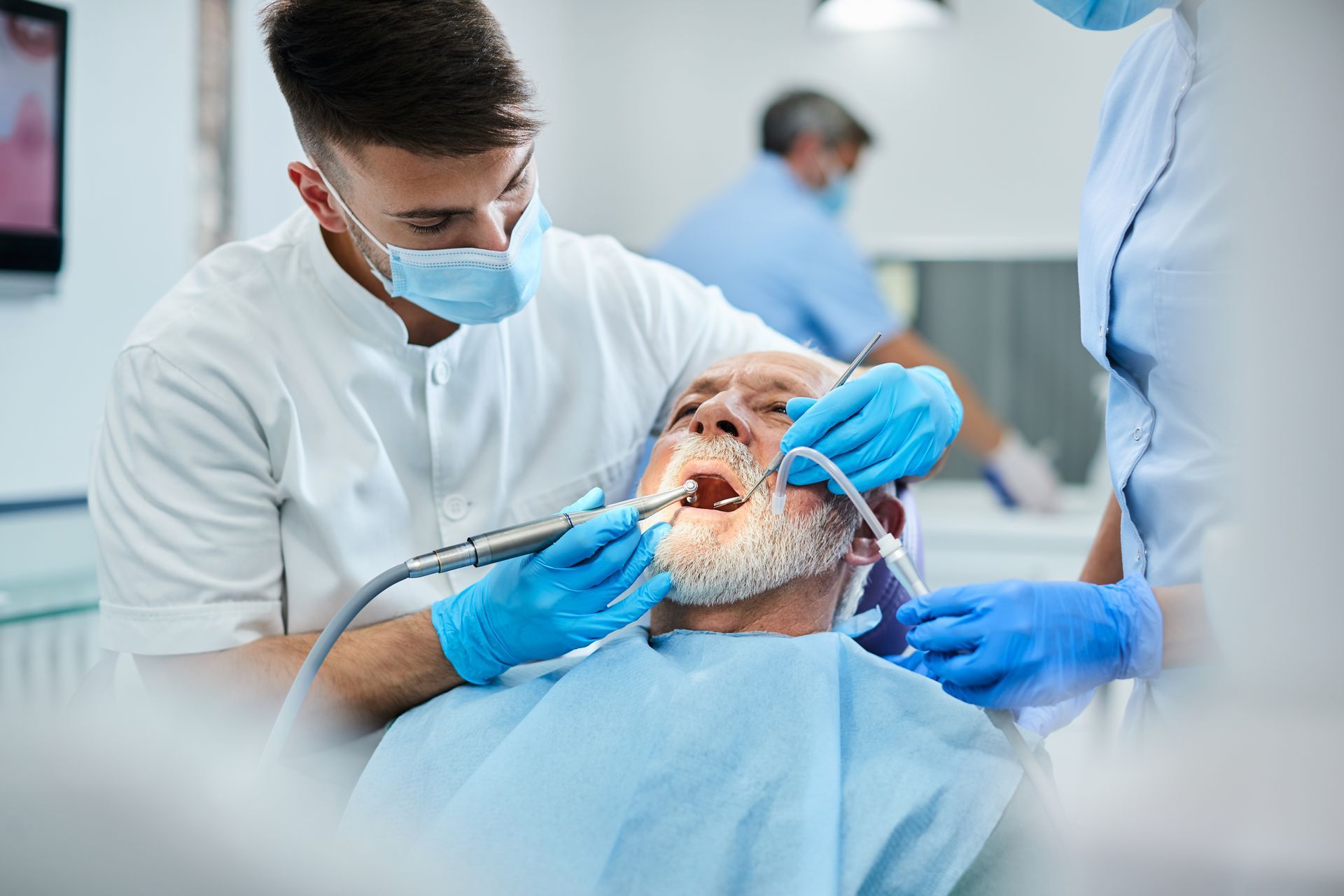
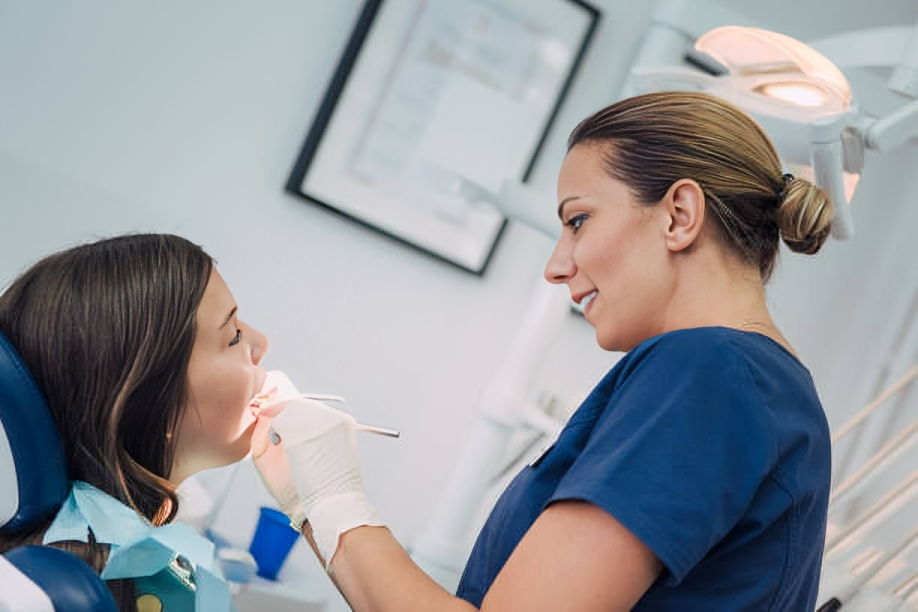
When you come in for dental exams and we have cleaned your teeth and gum line and removed any hardened plaque, our dentist can look at them for any signs of trouble, such as cavities, loose or broken teeth, damaged fillings, and evaluate your risk rate of certain diseases which might also take into account your family history. We will look for swelling in the gums or redness and bleeding and even measure the depth of gingival pockets signaling gum disease. We will evaluate your bite, determine if you have bruxism (a sign of teeth grinding), check the contact between teeth and examine the lower jaw joints for problems. We will also examine the soft tissues in your head, mouth and neck, including the lymph nodes, for any indications of cancer or infection. If problems are detected, you may require further diagnostics followed up with recommended treatment options.
As you can see, this is one of the biggest reasons why dental checkups are so important, because spotting problems early on is crucial for providing effective, minimally invasive, and economical treatment. Using x-rays and other diagnostic tools, we can detect problems early when you may not even be aware of them, especially since tooth decay isn’t usually obvious or painful in the early stages. By the time you do notice problems, the condition has often already advanced.
While most of the time you may need to see your dentist twice a year, there are circumstances that might require coming in more often, particularly since your oral health is directly related to your overall health and vice versa. For example, if you have a disease such as diabetes or heart disease you may be at greater risk of gum disease. If you have a weakened immune system, you will likely have a diminished ability to ward off infections and diseases. If you regularly use tobacco or are a heavy drinker, you are at greater risk of oral problems. Taking medications that result in dry mouth – a reduction in saliva production – puts you at higher risk of developing cavities. So be sure to let our dentist know what medications and supplements you are currently taking when you come in for your routine checkups. You can also let us know if you are noticing signs of tooth sensitivity, pain or an unusual lump. Again, the earlier a problem is addressed, the better the treatment success rate.
If you would like to have our dentist and team provide you with a thorough dental cleaning and exam, we invite you to call our office to schedule an appointment. Our goal is to help you create the healthiest oral environment for your teeth and gums and we look forward to providing you with the quality care you deserve.
Kick off the new year by tackling bad breath. Visit Arel C. Ondoy, DMD for effective treatments to improve your oral health and boost your self-confidence with fresh breath!
Protect your mouth this winter! Limit sugary foods, eat healthy, and wear an athletic guard to prevent cavities. Visit Arel C. Ondoy, DMD for expert advice on winter dental care.
Celebrate healthy teeth with a balanced diet! Learn how eating healthy foods and drinks can benefit your teeth and gums. Visit Arel C. Ondoy, DMD to improve your oral health today.
Happy October, everyone! It’s one of the spookiest seasons of the year, and one of the scariest things we can think of is having problems with our teeth and gums. Since October is National Dental Hygiene Month, we want to promote a healthy mouth for everyone by acknowledging the importance of your daily hygiene efforts. Healthy teeth and gums are the foundation of a healthy, beautiful smile! Plaque The mouth is full of living bacteria, some of which feed and thrive on carbohydrates and sugary drinks. These can release acids mixed with saliva and food particles to create a sticky bacterial film (plaque). As plaque builds up, it attacks and weakens tooth enamel, working its way through the softer dentin and tooth pulp below it to create decay and cavities. Teeth with extensive decay often require a root canal treatment to save the tooth from the severe infection that has taken root. A root canal removes the bad bacteria and dead tissue that might otherwise require extracting the tooth. Signs You Might Need a Root Canal – Tooth pain or pain when chewing – Sensitivity to hot and cold food and drinks – Sensitive gums – Gum infection – Darkened or chipped teeth – Swollen lymph nodes – Oral trauma What You Can Do Did you know that the first known bristle toothbrush was invented in China in 1948? Unlike the smooth nylon-bristled brushes we use today, the original toothbrush used boar hairs attached to bamboo or bone handles. We don’t know about you, but we’re grateful for today’s toothbrushes! To prevent damaged teeth, you’ll want to start by protecting your mouth from plaque. For example, drinks like soda, fruit juices, sports drinks, carbonated water and other acidic and sweetened beverages are pretty much a lifeline for oral bacteria that attach your teeth. To lessen plaque, limit these beverages, and when you drink them, use a straw to reduce contact on tooth enamel. Better choices include water, milk, low-sugar vegetable juice, and unsweetened green and black tea. This year’s National Dental Hygiene Awareness Month focuses on four habits you need to practice daily: Brush Brush your teeth twice a day for two minutes each session with a soft-bristled toothbrush (no boars hair!). You want to gently clean them without harming the enamel or soft gum tissues. Make sure the head and shape of the brush fit comfortable in your mouth so you can get to the back areas to remove bacteria and food particles. Hold your brush at a 45-degree angle to your gums. Using short strokes, move your toothbrush back and forth to clean all tooth surfaces – outside, inside and the top of the molars – where the food is chewed. Make sure to clean those grooves and crevices. Use up-and-down-strokes to clean the inside of your front teeth. Tip: Don’t forget to brush your tongue to get rid of plaque and freshen your breath. Floss Clean between your teeth once a day using a flossing tool of choice (one that makes you want to floss every day) to get rid of dental plaque your toothbrush can’t reach. Plaque buildup will cause it to harden into tartar or calculus, which has to be removed by a dental hygienist using special tools. Rinse Some areas of the mouth can’t get rid of plaque by brushing and flossing alone. Rinsing with an antibacterial mouthwash daily destroys bacteria to prevent tooth decay and gum disease (infection of the oral tissue) from gaining hold. Your dentist can recommend a non-alcoholic antimicrobial rinse that is right for your needs. Chew Speaking of dry mouth, did you know that chewing sugarless gum for 20 minutes after you eat lessens the chances of tooth decay? That’s because chewing stimulates saliva glands to promote healthy saliva flow. Your saliva plays a vital role by rinsing away food particles and bacterial debris and neutralizes the acids from oral bacteria. This month is a good time to toss out your old worn-out toothbrush and find a flossing method you will enjoy using every day. You’ll also want to thank your dental hygienist the next time you see them for all their efforts to make your smile the best it can be!
September brings the month of National Gum Care, a time to raise awareness for healthy gums everywhere. No matter your age, you should always be striving for great oral care, and this doesn’t just mean your teeth. Your gums are just as important when it comes to maintaining a great smile. As new research develops, we see a rise in medical conditions related to infected gums – such as heart disease, diabetes, pregnancy complications and more – and how preventing gum (periodontal) disease is vital for both your oral and overall health. It is believed that the inflammation caused by bacteria can destroy gum tissue and then invade the bloodstream, eventually affecting other parts of your body. You can help prevent this invasion by taking excellent care of your teeth and gums. Healthy Gums vs. Diseased Gums Do you know what healthy gums look like? Gums should be firm and pink with no bleeding and no discomfort. Signs of bad gums include loose or shifting teeth, chronic bad breath, a bad taste in your mouth, bleeding gums, redness, swelling, pus around teeth and gums, receding gums, and gum tenderness. If you have dentures, they may not fit correctly. If your gums become paler than they usually are, contact your dentist right away. It is important to get treatment at the first sign of gum disease. Preventing Gum Disease You can help take care of your gums by following these guidelines: – Healthy Brushing: Be sure to brush at least twice a day, waiting to brush for at least 30 minutes after your meal (brushing right away can cause corrosion from leftover food). – Flossing Correctly: Floss at least once a day to remove debris between the teeth and near the gums. It is recommended you floss before brushing so your toothbrush can wipe away leftover bacteria and debris. Gently floss between each tooth, using clean sections of floss each time. Avoid snapping the floss down onto the gums. – Seeing Your Dentist: You should receive a dental exam and cleaning every six months if not more often. Notify your dentist if you have concerns about your teeth and gums or you are experiencing pain or discomfort. – Healthy Diet: Consume a regular diet of healthy foods and liquids. More sugar in your diet tends to lead to more lingering and sticky bacteria. Rinse your mouth with water after eating and drinking other beverages. – Avoiding Substances: A great way to help your teeth and gums stay healthy is avoiding tobacco and limiting your alcohol intake. This includes smoking and vaping. Try to avoid drinking too much soda and energy beverages, candies, sugary snacks, and fast food. – Other Tips: Replace your toothbrush every two to three months, depending on the wear. Exercise regularly to increase blood flow and encourage saliva flow. Choose a toothpaste that is best for your dental needs. Treatments for Healthier Gums Even if you haven’t had a cavity in your life, you are still vulnerable to gum disease. If your home dental care isn’t enough, there are alternative treatments to help rid your mouth of infection. These include the following options: – Professional dental cleaning – Scaling and root planing – Pocket reduction – Gum graft – Soft tissue graft – Prescribed medication, toothpaste or mouthwash – Root canal therapy (if needed) These options can help keep you and your smile in optimal health. Your gums are important in keeping your teeth in place. We invite you to consult with our team about what treatment may be best for you. If you have questions or concerns about your gum health, feel free to give our experienced team a call. We will be happy to help you get the gum care you deserve, so reach out today and get your dental health where it deserves to be!
Address: