 Address:

The Scoop on Cavities and How to Prevent Them
March 6, 2019
Although we are turning back the clock for daylight savings, you can’t turn back time on your teeth. Studies have shown that one in five Americans has untreated cavities, which is decay that has damaged a tooth’s hard, outer enamel layer and created small holes. Cavities can arise in people of all ages, including children and infants. Factors can include how well you take care of your teeth each day, what foods and beverages you regularly consume, and your family’s dental history. These can all play a role in developing cavities.
Dry mouth, or insufficient saliva production, is a common oral condition that places you at higher risk of cavity formation and is often accompanied by bad breath. Tobacco and alcohol users are prone to dry mouth as are those taking certain medications, aging, or undergoing chemotherapy or radiation treatment.
Cavities form when sugary, starchy foods feed the oral bacteria that thrive in the sticky bacterial film you know as plaque. The bacteria produce acids that wear down the tooth enamel until they reach the softer dentin layer underneath protecting the tooth pulp. Cavities tend to form in the back of the mouth within the grooves of the molars, between the teeth and around the gum line, which are also areas that are harder to clean and get rid of plaque.
Signs You May Have a Cavity:
– Experience tenderness in the gums
– Tooth sensitivity when consuming hot or cold items
– Painful sensitivity in or around your teeth
– Having tooth pain that interferes with your sleep
– Dark stains
– Small holes
– Pain when you bite down
– Soft areas on your teeth
What You Can Do
The good news is, preventing cavities is very simple if you follow some of these basic rules:
– Limit your intake of sweets and sodas
– Brush at least twice a day
– Floss at least once daily
– Rinse with an antibacterial mouthwash
– See your dentist for routine dental cleanings at least twice a year
– If you are cavity-prone, use products with fluoride that protect tooth enamel or consider having dental sealants placed.
Detecting cavities in the earliest stage – when they can be treated easily and less invasively – can save you pain, time and money. For example, cavities found early on can be treated with a simple dental filling. For bigger or deeper cavities, a root canal treatment may be necessary to remove damaged pulp or treat an abscessed tooth. A badly broken tooth may be fixed with a crown at the gum line. If a tooth is lost, a dental crown, bridge or implant may be needed to keep the surrounding teeth from shifting into the gap left behind.
The best way to prevent cavities is to take daily care of your pearly whites and to visit your dentist twice a year to support those daily efforts. To find out if you have any cavities or need to treat an existing one, please give our team a call, and we will be happy to set up an exam with our skilled team. We look forward to helping you keep your smile healthy, beautiful and cavity-free!
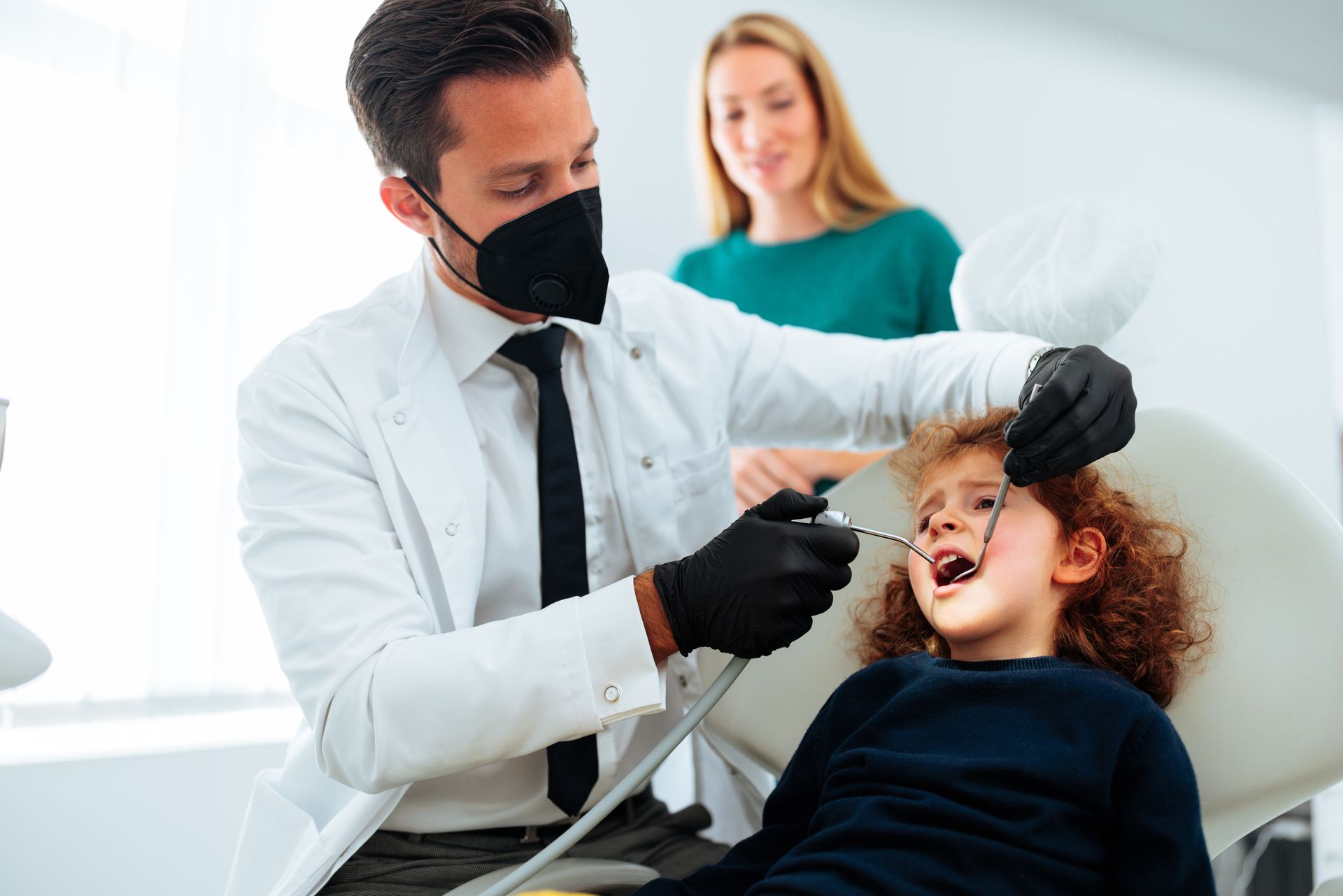
Are you wondering which dental provider is right for your family? Learn the differences between a family and general dentist in Palos Heights, IL. Call now!
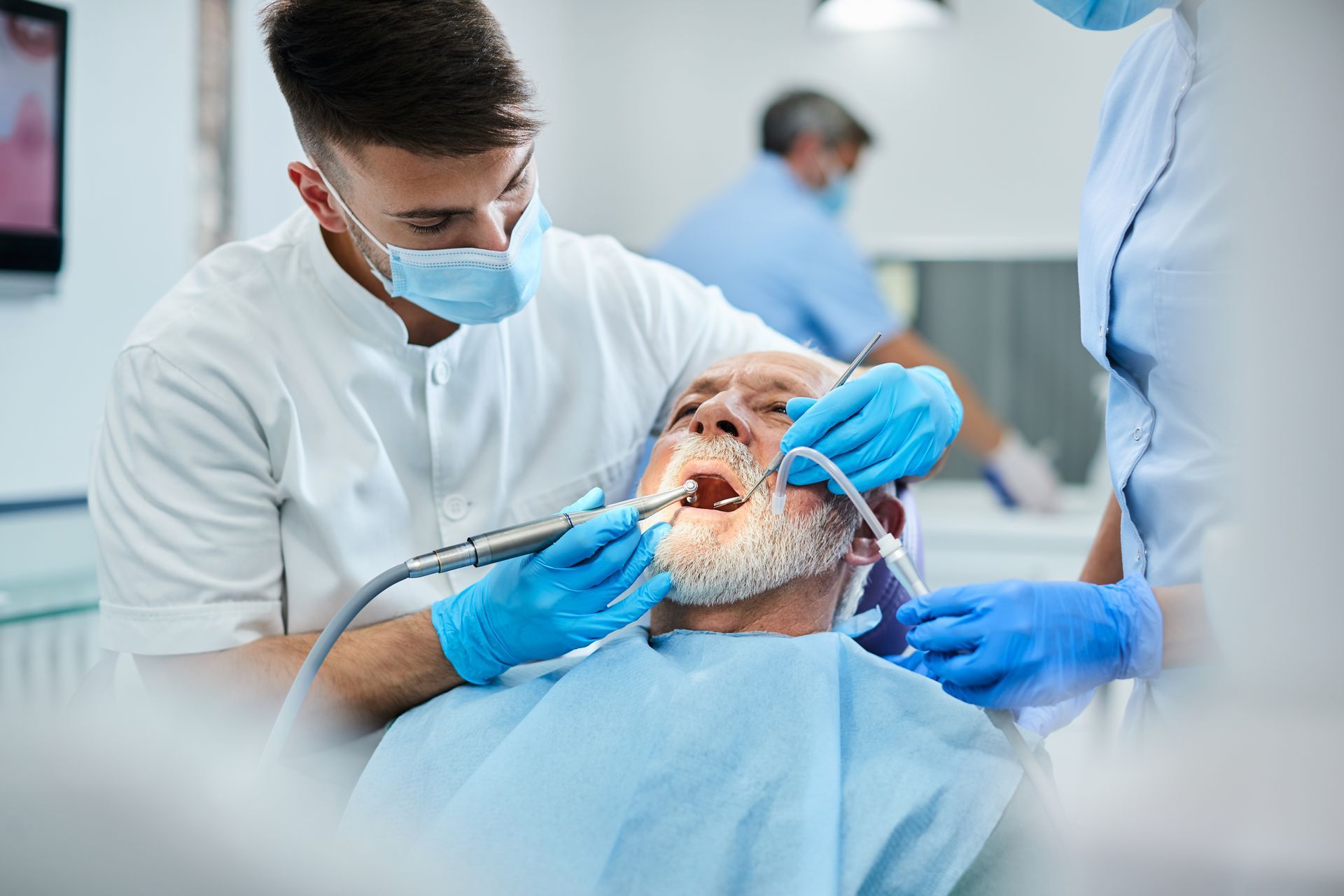
Find out what to expect at a dentist checkup in Palos Heights, IL, with Arel C. Ondoy, DMD. Click here to keep reading!

Manage dental anxiety with a trusted family dentist in Palos Heights, IL. Call Arel C. Ondoy, DMD, at 708-535-0333 today for gentle care.

Trusted family dentist in Palos Heights, IL. Arel C Ondoy DMD supports total wellness. Call 708-535-0333 today.

Arel C. Ondoy, DMD provides expert tips for maintaining your child’s dental health with the best pediatric dentist in Palos Heights, IL. Schedule a visit today and ensure your child’s smile stays healthy and bright.
Learn how a family dentist in Palos Heights can help you maintain lifelong oral health. Arel C. Ondoy, DMD offers comprehensive care for your family’s dental needs. Book your appointment today!

Find out why visiting a family dentist is essential for your health. Arel C. Ondoy, DMD provides tips for making your trips to the dentist enjoyable and stress-free for everyone.
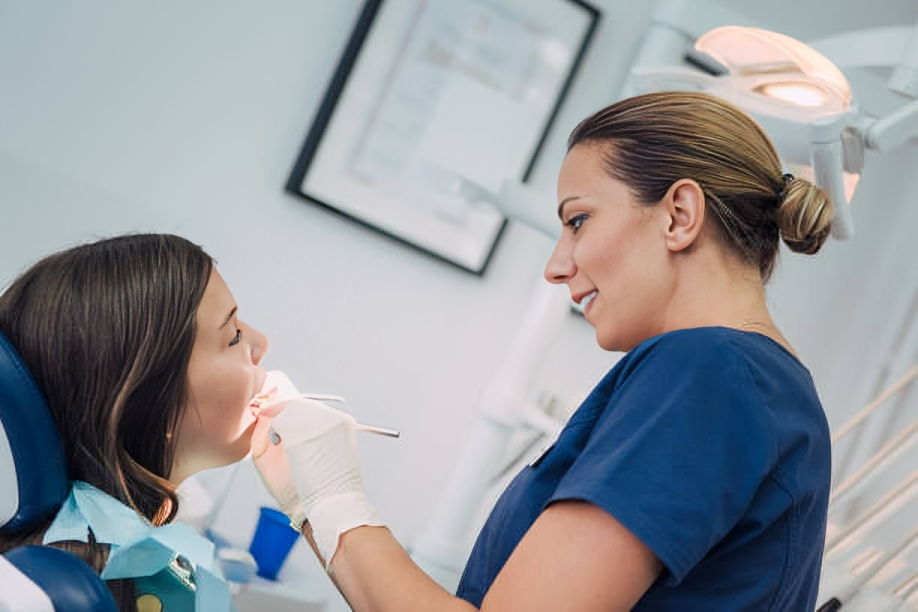
Discover the signs you need to see a dentist in Palos Heights, IL. Arel C. Ondoy, DMD general dentist shares important tips to keep your smile healthy. Schedule a consultation today!
Kick off the new year by tackling bad breath. Visit Arel C. Ondoy, DMD for effective treatments to improve your oral health and boost your self-confidence with fresh breath!
Protect your mouth this winter! Limit sugary foods, eat healthy, and wear an athletic guard to prevent cavities. Visit Arel C. Ondoy, DMD for expert advice on winter dental care.