 Address:

Enjoy Mother’s Day with a Healthy Smile
May 6, 2019
This is the month where we recognize our mothers for all their efforts and take the opportunity to thank them for all they have done, which may also include them teaching us how to brush and floss. As a mother, your oral health is important to both you and your family. When your teeth are strong and your gums healthy, you’ll feel better and be able to take care of your family. Mother’s Day is a reminder your smile is just as important, so now is the time to focus on your dental care needs.
Women face some unique oral health concerns that require routine oral care with the help of the dentist and at your own hand. Some of these circumstances include the following:
– Menstrual cycle:
During the course of your menstrual cycle, your hormones can fluctuate and result in red, swollen and bleeding gums, as well as canker sores and cold sores.
– Hormonal birth control:
If you use a pill, shot, UID or vaginal ring, your body may have increased levels of estrogen and progesterone, which can make your gums red and sensitive. Furthermore, changes in hormones can complicate tooth extraction by resulting in clotting failure. If you need to have a tooth removed, we encourage you to notify our dentist of your birth control method as well as any other medicine you take.
– Pregnancy gingivitis:
Whether you are just starting a family or adding a wonderful little addition, pregnancy makes proper oral care more important than ever. During this time, many women develop pregnancy gingivitis, which can increase dental plaque due to hormonal changes as well as inflame and irritate the gums, even causing them to bleed.
– Menopause:
Menopause causes estrogen levels to plummet, and this causes some women to experience a burning sensation in their mouths, a decreased saliva flow that causes dry mouth and an increased risk of osteoporosis that can lead to gum disease.
To prevent and manage these conditions so that you can have the healthy and beautiful smile you deserve, we encourage you to brush for two minutes twice a day as well as floss daily and reduce your intake of sugary snacks. It’s also important to visit your dentist every six months for dental checkups, or sooner if you feel something is not right in your mouth. If you are pregnant, we recommend getting a dental exam and cleaning more often.
Be sure to celebrate your mothers and grandmothers this month, and encourage them to take the time to attend to their own needs, especially their dental health. Our team welcomes the hardworking and loving mothers of our community to contact our dental office and schedule a consultation today!
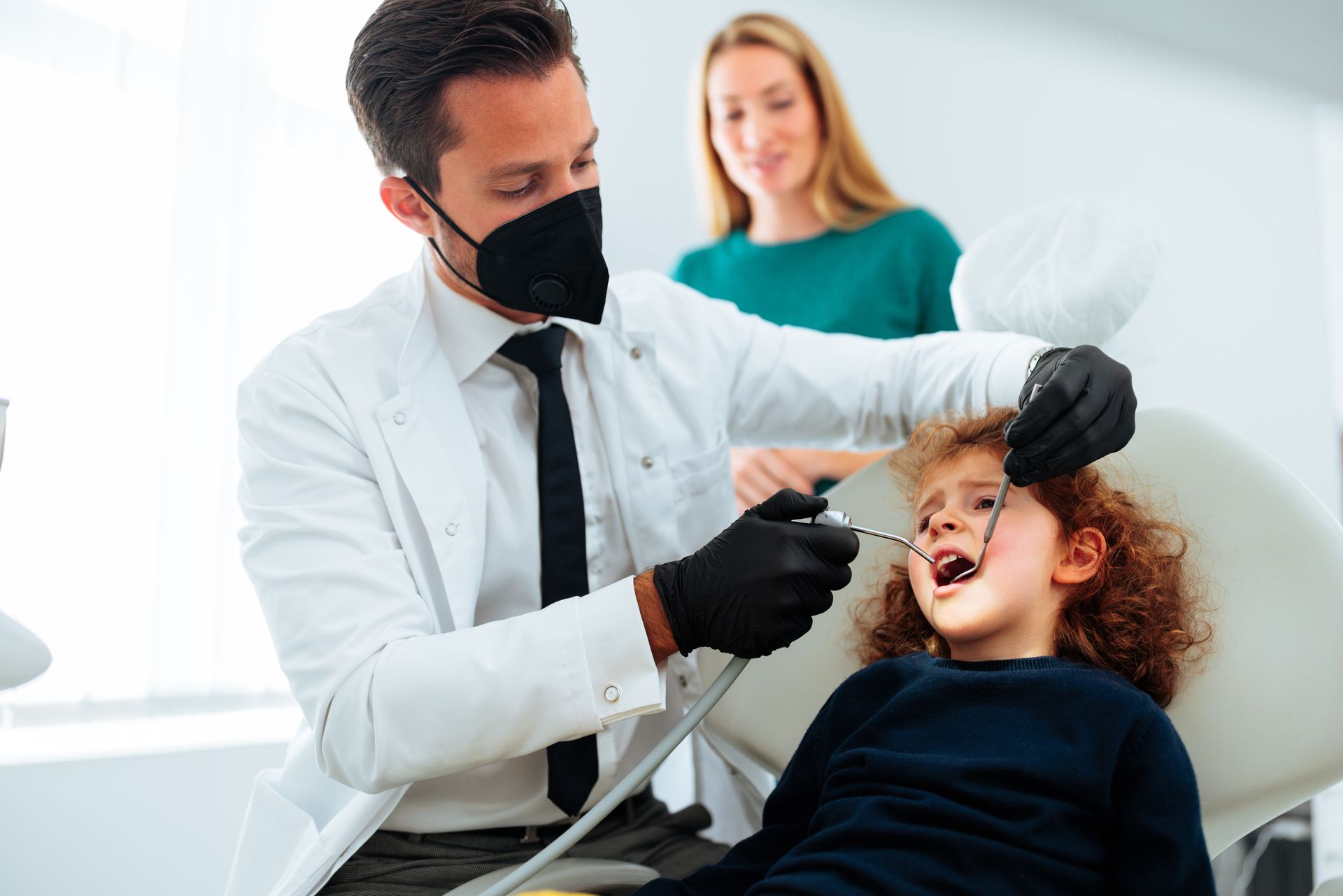
Are you wondering which dental provider is right for your family? Learn the differences between a family and general dentist in Palos Heights, IL. Call now!
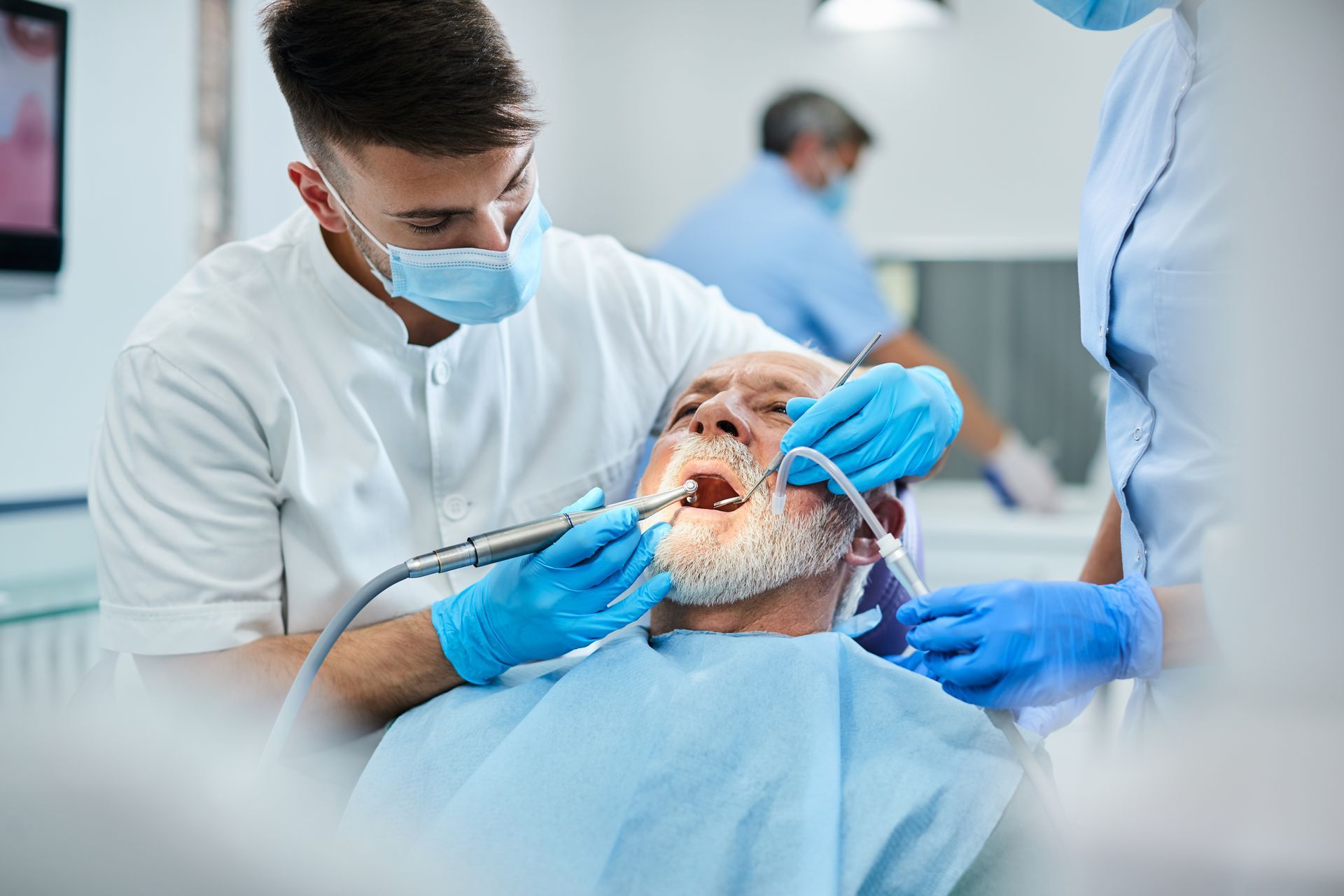
Find out what to expect at a dentist checkup in Palos Heights, IL, with Arel C. Ondoy, DMD. Click here to keep reading!
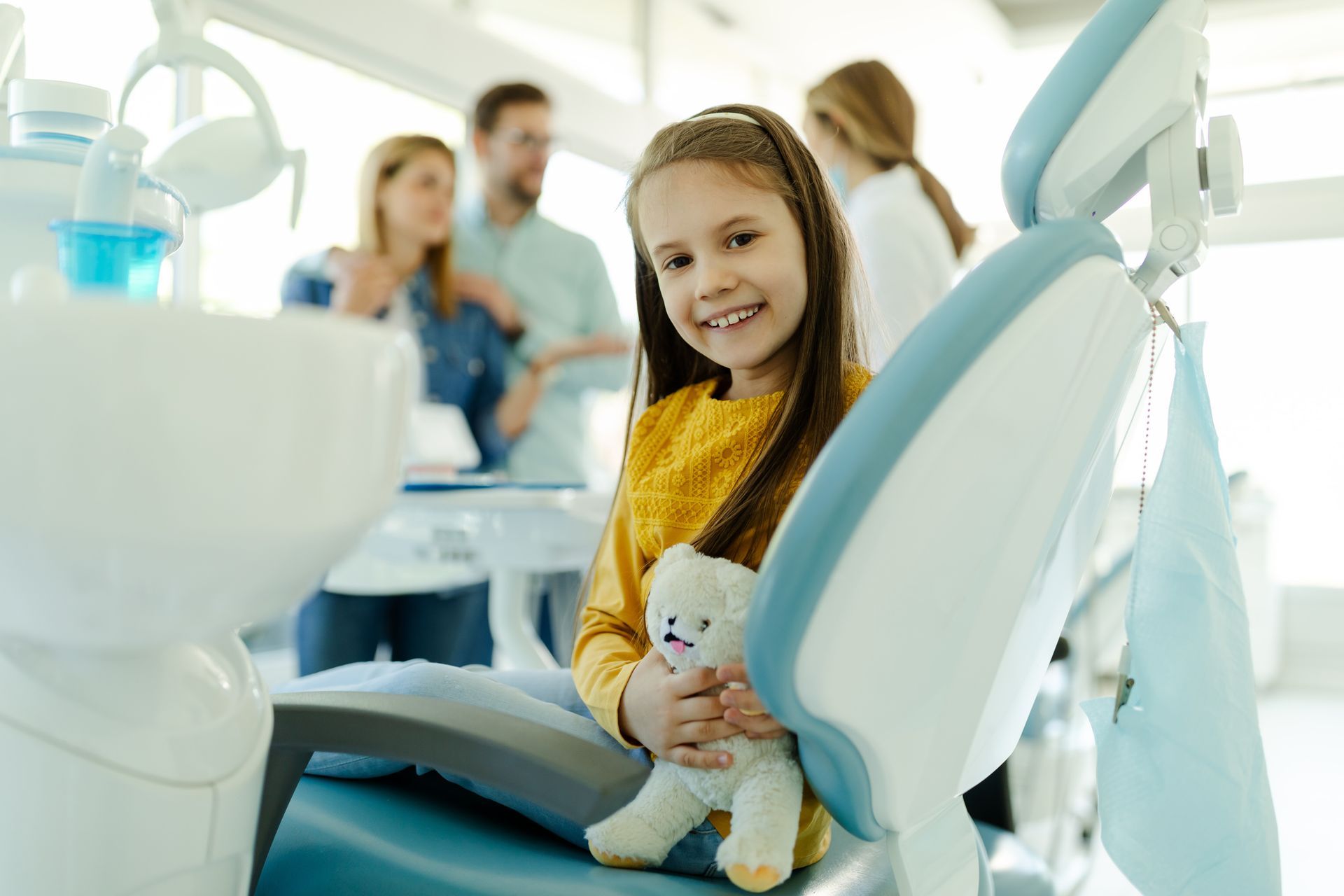
Manage dental anxiety with a trusted family dentist in Palos Heights, IL. Call Arel C. Ondoy, DMD, at 708-535-0333 today for gentle care.
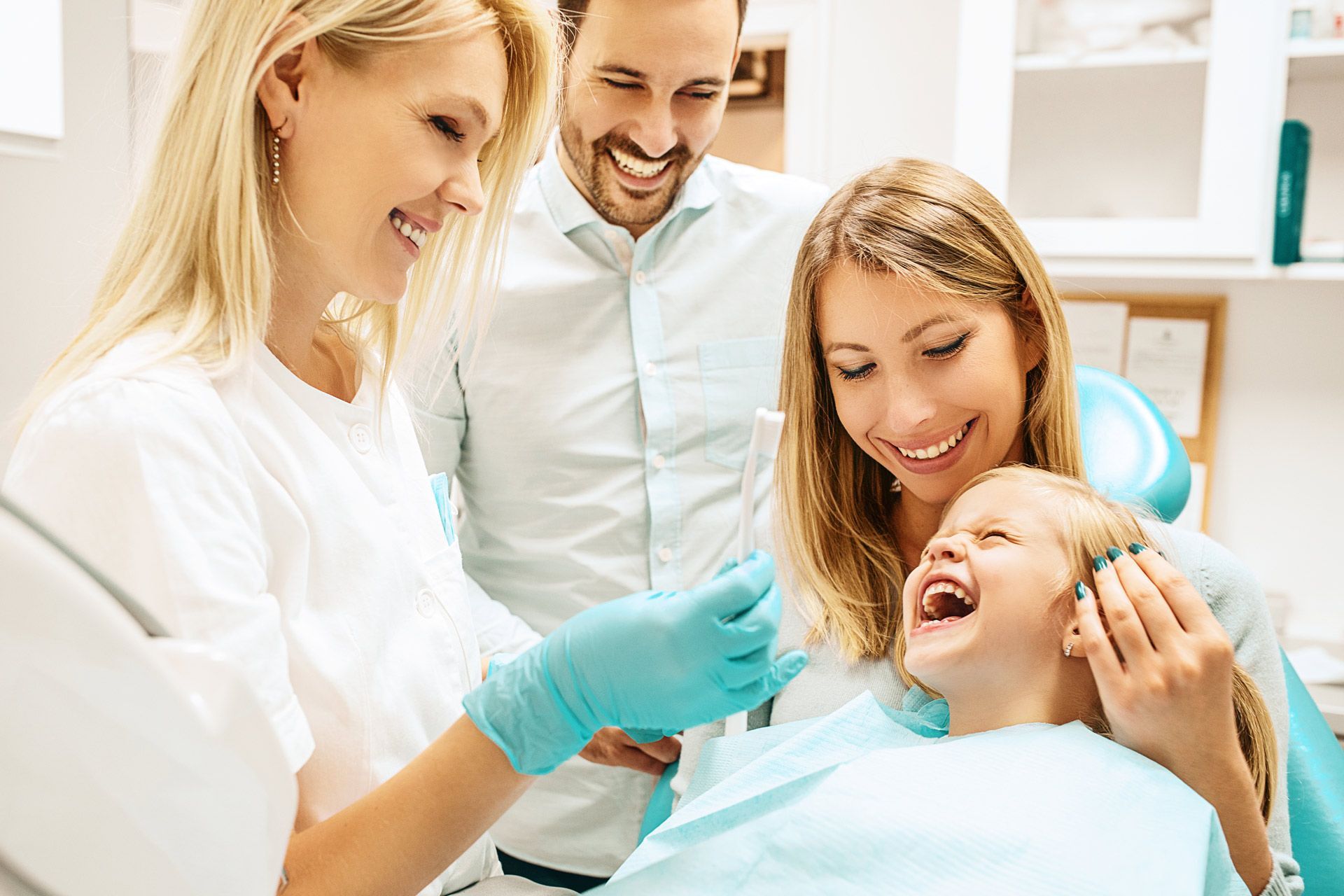
Trusted family dentist in Palos Heights, IL. Arel C Ondoy DMD supports total wellness. Call 708-535-0333 today.
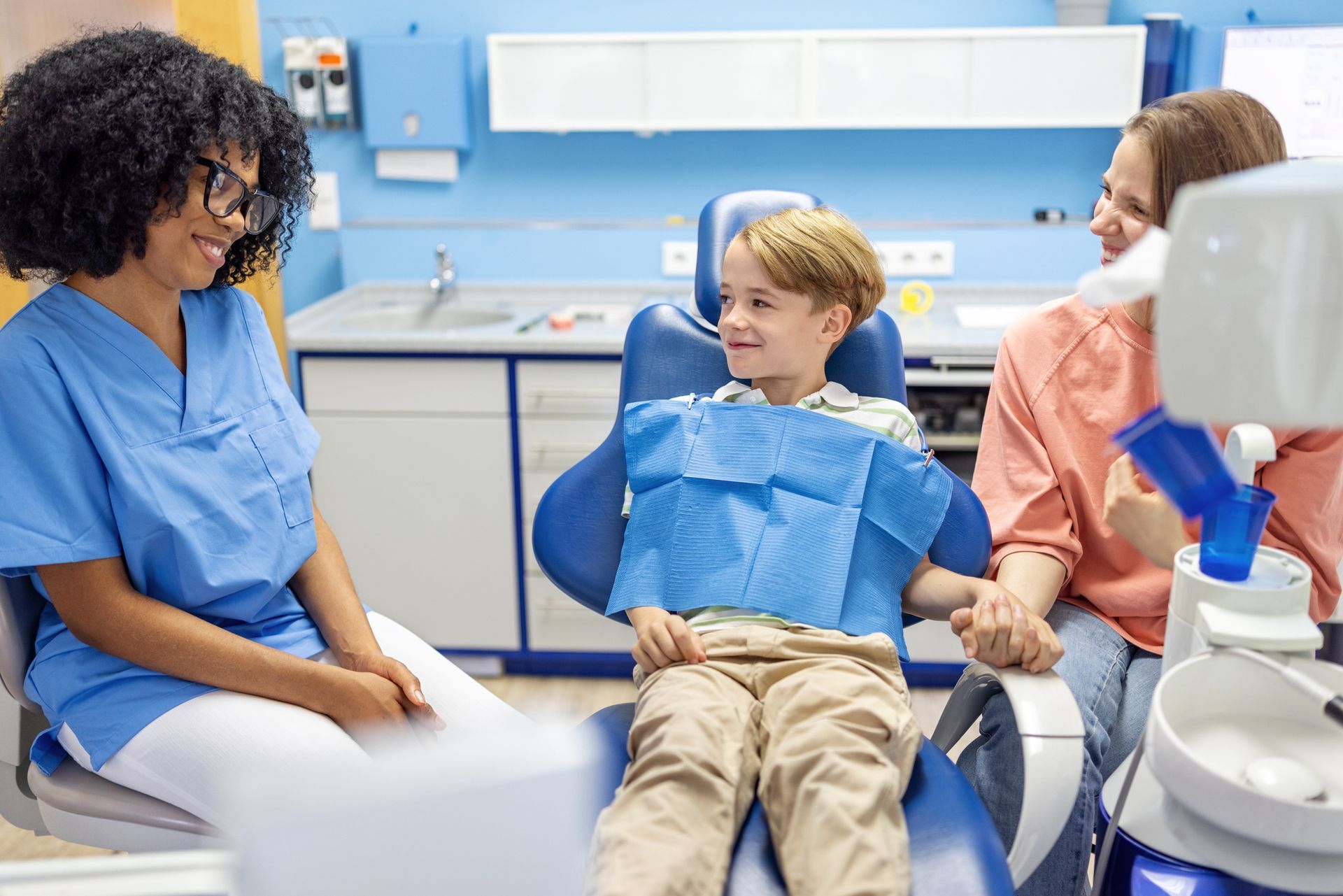
Arel C. Ondoy, DMD provides expert tips for maintaining your child’s dental health with the best pediatric dentist in Palos Heights, IL. Schedule a visit today and ensure your child’s smile stays healthy and bright.
Learn how a family dentist in Palos Heights can help you maintain lifelong oral health. Arel C. Ondoy, DMD offers comprehensive care for your family’s dental needs. Book your appointment today!
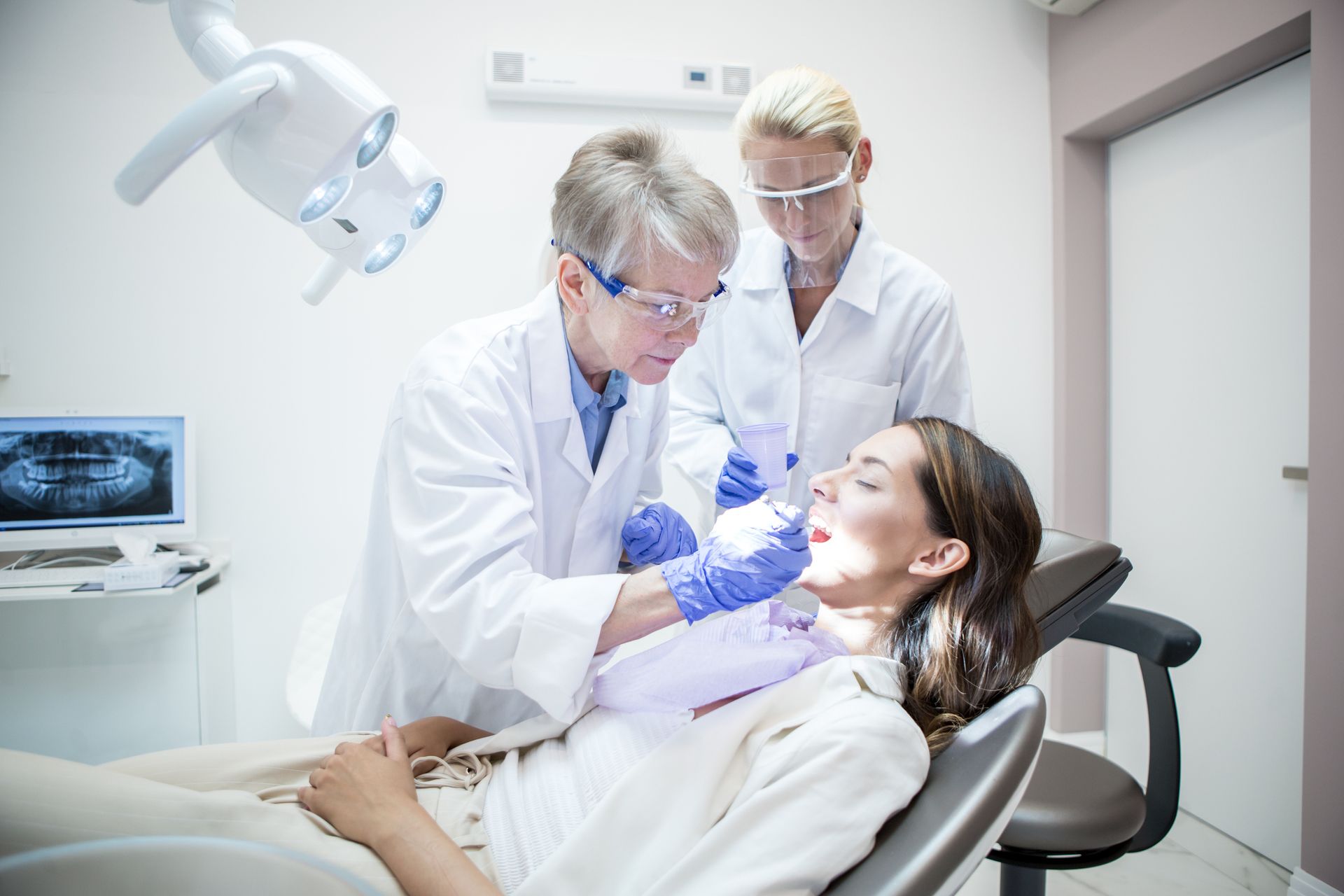
Find out why visiting a family dentist is essential for your health. Arel C. Ondoy, DMD provides tips for making your trips to the dentist enjoyable and stress-free for everyone.
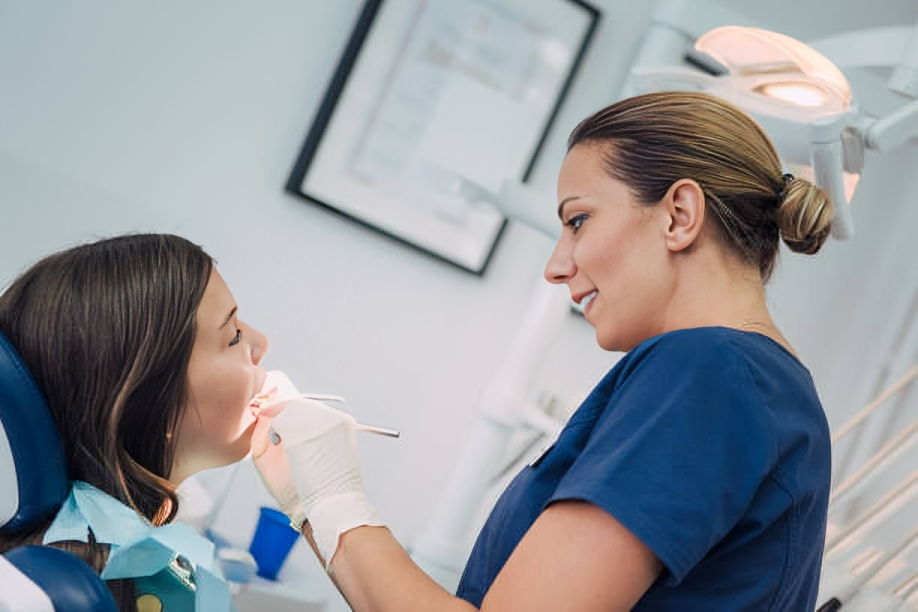
Discover the signs you need to see a dentist in Palos Heights, IL. Arel C. Ondoy, DMD general dentist shares important tips to keep your smile healthy. Schedule a consultation today!
Kick off the new year by tackling bad breath. Visit Arel C. Ondoy, DMD for effective treatments to improve your oral health and boost your self-confidence with fresh breath!
Protect your mouth this winter! Limit sugary foods, eat healthy, and wear an athletic guard to prevent cavities. Visit Arel C. Ondoy, DMD for expert advice on winter dental care.